Masking: A Handwritten Font for Warm and Inviting Designs
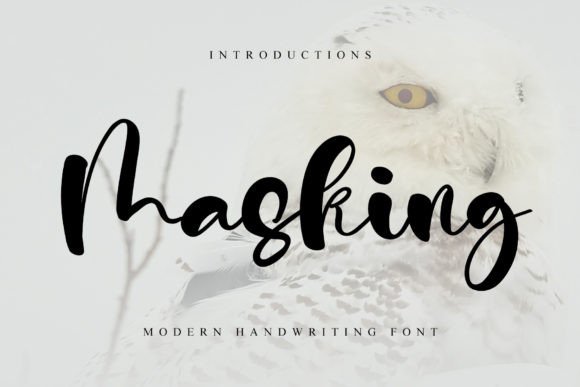
Masking is a charming handwritten font that brings a personal, approachable feel to design projects. With its smooth, flowing strokes and playful curves, it offers a sense of whimsy and warmth that resonates well with audiences. Whether used in digital or print formats, Masking can enhance the emotional tone of visual content, making it a popular choice for designers seeking to convey friendliness and sincerity.
What Makes Masking Unique?
Unlike rigid, formal typefaces, Masking mimics natural handwriting. Its letters connect fluidly, creating a sense of motion and continuity that feels organic and human. This font is particularly effective in designs where a personal touch is desired, such as greeting cards, product packaging, and social media graphics. Its legibility and expressive character make it stand out without overwhelming the visual space.
Why Designers Choose Masking
Designers often select Masking when they want to evoke a sense of intimacy and authenticity. In a digital world dominated by clean, minimalist fonts, Masking offers a refreshing contrast. It can make a brand or message feel more approachable, especially in niches like lifestyle, wellness, and artisanal products. Its warmth appeals to audiences who value craftsmanship and emotional connection in visual communication.
Common Use Cases for Masking
- Event invitations: Weddings, baby showers, and birthday parties benefit from the friendly tone of Masking.
- Product packaging: Brands aiming for a handmade or boutique feel often use Masking to enhance their labels and tags.
- Social media visuals: Stories, quotes, and promotional graphics gain a personal flair with this font.
- Branding materials: Small businesses and creative entrepreneurs use Masking to reflect a down-to-earth personality.
Benefits of Using Masking
One of the main advantages of Masking is its emotional resonance. It helps establish a connection between the viewer and the message. Additionally, it’s versatile across different mediums and scales well in both digital and print environments. Since it’s designed for readability while maintaining character, it strikes a balance between style and function.
Considerations and Tradeoffs
While Masking is well-suited for informal and creative contexts, it may not be ideal for more formal or professional applications. Overuse or improper pairing with other fonts can lead to a cluttered or unpolished look. Designers should also consider the target audience—while some may appreciate its charm, others might perceive it as too casual or playful for certain brands.
When Masking May Be a Strong Fit
- You're designing for a personal or small-scale brand.
- Your message benefits from a warm, approachable tone.
- You want to emphasize creativity, authenticity, or joy.
- Your design includes hand-drawn illustrations or organic shapes.
When Alternatives May Be Better
- You're working on corporate or technical materials.
- The design requires high levels of formality or professionalism.
- You're targeting an audience that prefers modern, minimalist aesthetics.
- You need a font that supports multiple languages or special characters.
Making the Right Font Choice
Selecting the right font is a crucial part of the design process. While Masking offers a distinct personality, it’s important to align its characteristics with your project’s goals. Ask yourself whether the tone of the font supports your brand voice and message. Consider how it interacts with other design elements and whether it enhances readability and visual harmony.
Before finalizing your choice, test Masking in different contexts. Try it in various sizes and against different background colors. Pair it with complementary sans-serif or serif fonts to maintain balance. Also, ensure that the font is available in the formats you need (such as TTF, OTF, or WOFF) and that it’s licensed appropriately for your intended use.
Conclusion
Masking is a versatile and expressive handwritten font that brings warmth and charm to a variety of design applications. Its flowing strokes and playful curves make it a go-to choice for designers looking to inject personality and emotion into their work. However, like any design element, it should be used thoughtfully and in alignment with the overall goals of the project. By understanding its strengths and limitations, you can determine whether Masking is the right fit for your next creative endeavor.