Hatame: The Handwritten Font That Brings Warmth to Your Designs
There is a distinct emotional resonance in receiving a handwritten note. In an era dominated by sleek, digital communication, the imperfect curves and rhythmic flow of a personal message stand out as genuine and heartfelt. Hatame captures this specific feeling, translating the warmth of a sunny morning scribble into a versatile digital typeface. It is not just another script; it is a design tool that invites connection, making it an essential asset for anyone looking to infuse their work with approachability and charm.
Whether you are crafting a wedding invitation, designing packaging for a small bakery, or creating social media graphics for a lifestyle blog, the right typography can make or break your message. Hatame offers a solution that feels organic without sacrificing legibility. Its gentle strokes mimic the natural movement of a pen on paper, providing a visual texture that static, geometric fonts simply cannot achieve.
The Visual Personality of Hatame
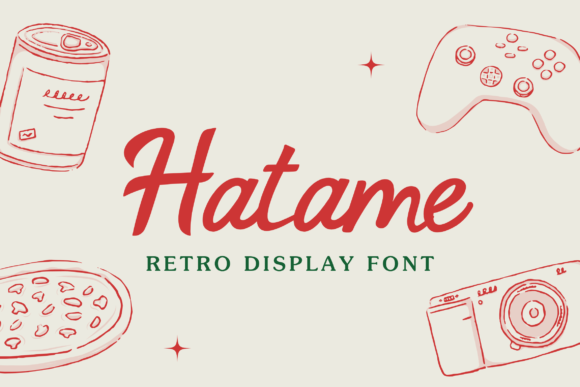
At its core, Hatame is a handwritten font designed to bridge the gap between casual expression and professional polish. Unlike rigid serif fonts or sterile sans serif fonts, Hatame thrives on its fluidity. The characters feature soft, rounded terminals and varying stroke widths that suggest speed and spontaneity, yet they remain grounded enough to be read effortlessly.
This balance is what defines its personality. It is friendly, inviting, and slightly nostalgic. When you look at the letterforms, you don't see the precision of a machine; you see the intention of a human hand. This makes it an excellent choice for projects where the brand voice needs to feel accessible and authentic. The font avoids the overly decorative flourishes often found in traditional calligraphy, opting instead for a modern, clean aesthetic that fits seamlessly into contemporary design trends.
Visually, Hatame functions beautifully as a display font. While it can handle short paragraphs, its true strength lies in headlines, logos, and accent text where character and style take precedence over dense information delivery. The open counters and generous spacing ensure that even at smaller sizes, the letters retain their distinct shape, preventing the common issue of script fonts becoming illegible blobs.
Where Hatame Shines in Real-World Projects
The versatility of Hatame extends across various creative domains, from print to digital environments. Its warm demeanor makes it particularly effective in sectors where trust and personal connection are paramount.
- Invitations and Greeting Cards: This is perhaps the most natural home for Hatame. Whether it is a wedding, baby shower, or holiday card, the font immediately sets a tone of celebration and intimacy. It transforms a standard template into a personalized experience.
- Packaging Design: For small businesses selling artisanal goods—think soaps, candles, baked goods, or local coffee—Hatame adds a "made with love" quality to the label. It signals craftsmanship and care, distinguishing the product from mass-market competitors.
- Brand Identity and Logo Design: A logo needs to communicate values instantly. Using Hatame for a brand mark suggests creativity, friendliness, and a human touch. It works exceptionally well for boutique agencies, wellness centers, and lifestyle brands.
- Social Media Graphics: In the crowded feed of Instagram or Pinterest, text overlays need to grab attention. Hatame's unique shape breaks up the monotony of standard sans-serif captions, encouraging users to pause and engage with the content.
- Editorial Design: Magazines and blogs focused on food, travel, or personal growth can use Hatame for pull quotes, chapter headings, or sidebar notes to add a layer of editorial flair.
Impact on Readability and Brand Perception
Choosing a creative font like Hatame involves more than just aesthetics; it influences how your audience perceives your brand and consumes your information. Typography plays a crucial role in establishing visual hierarchy. By pairing Hatame with a neutral sans-serif body text, you create a clear distinction between your headline (the hook) and your content (the substance).
This contrast guides the reader's eye naturally. The warmth of the script draws them in, while the clean supporting text ensures the message is delivered clearly. This dynamic improves overall readability because the brain processes the different styles as separate functional elements rather than a confusing wall of text.
Furthermore, Hatame contributes significantly to brand consistency and recognition. In a market saturated with corporate minimalism, a brand that uses a thoughtful, handwritten typeface stands out. It signals that the business values individuality and human connection. This perception can foster deeper audience engagement, as people are more likely to trust and support brands that feel relatable and transparent.
However, it is vital to maintain professionalism. While Hatame is charming, overusing it can dilute its impact. It should be used strategically to highlight key messages rather than overwhelming the viewer. When applied correctly, it elevates the perceived value of the project, suggesting that attention was paid to every detail.
Practical Guidance for Using Hatame Effectively
Integrating Hatame into your workflow requires a few strategic considerations to ensure the best results. Here is how to evaluate its fit and maximize its potential in your designs.
Evaluating Project Fit
Before committing to Hatame, ask yourself if the project's tone aligns with the font's personality. Is the subject matter lighthearted, personal, or artistic? If you are designing a legal document or a technical manual, Hatame may undermine the seriousness required. It excels in contexts where emotion and storytelling are central.
Testing Font Pairings
The magic of Hatame often happens in the pairing. Because it is a script font with significant character, it pairs best with simple, unobtrusive typefaces. Try combining it with a geometric sans-serif for a modern look, or a classic serif for a more editorial feel. Avoid pairing it with other display fonts or scripts, as this creates visual competition and reduces clarity.
Reviewing Included Styles
Check the available weights and variations within the Hatame family. Some versions may include ligatures, alternate characters, or swashes that allow for further customization. These design assets can help you fine-tune the rhythm of your text, ensuring that the flow feels natural and intentional.
Licensing and Commercial Use
If you plan to use Hatame for client work or product sales, always verify the licensing terms. As a premium font or commercial font, understanding the scope of the license is critical. Ensure you have the rights to use it for web embedding, app development, or large-scale print runs to avoid legal complications down the line.
Readability Considerations
Finally, test your design at different scales. While Hatame looks beautiful at large sizes, ensure it remains legible when shrunk for mobile screens or small business cards. Adjusting letter-spacing (tracking) can sometimes improve readability in tighter spaces, giving the characters room to breathe.
In conclusion, Hatame is more than just a collection of digital letters; it is a vehicle for emotion. By embracing its heartfelt charm, designers and creators can produce work that resonates on a human level. Whether you are building a new brand identity or simply adding a personal touch to a greeting card, Hatame offers the perfect blend of style and sincerity to bring your vision to life.