Bestfriend: The Handwritten Font That Brings Warmth to Your Designs
In a digital landscape often dominated by sleek, geometric sans-serifs and rigid modernist structures, there is a growing hunger for authenticity. Designers and creators are increasingly seeking tools that can bridge the gap between the screen and the human hand. Enter Bestfriend, a charming handwritten font that evokes the immediate warmth of a handwritten note on a sunny morning. It is more than just a typeface; it is an emotional anchor for projects that require a personal touch, transforming sterile text into something inviting and alive.
Whether you are crafting a wedding invitation, designing a cozy brand identity, or simply adding a friendly signature to a greeting card, Bestfriend offers the gentle curves and friendly demeanor needed to connect with your audience on a deeper level. This article explores why this specific font has become a staple for those looking to infuse their work with heartfelt charm, how it fits into modern design workflows, and practical tips for leveraging its unique characteristics effectively.
The Psychology of Handwritten Typography
Before diving into the technical specifics of Bestfriend, it is essential to understand why handwritten fonts resonate so deeply in modern communication. In an era where emails are automated and messages are generated by algorithms, a handwritten style signals effort, care, and individuality. When a viewer encounters text that mimics the natural flow of a pen on paper, their brain subconsciously registers it as "human-made."
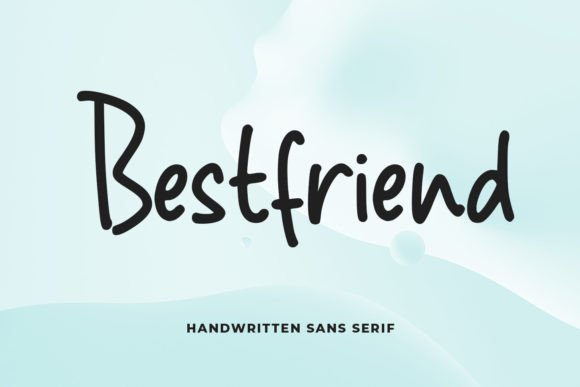
Bestfriend capitalizes on this psychological trigger. Its design avoids the mechanical perfection of standard scripts, opting instead for slight irregularities that mimic the natural tremor of a hand moving across a page. These imperfections are not flaws; they are features that build trust. When used correctly, the font suggests that the sender took the time to write a message specifically for the recipient, rather than mass-producing content. This subtle shift in perception can significantly impact engagement rates, open rates on invitations, and the overall reception of a brand's voice.
Gentle Curves and Friendly Demeanor
The defining characteristic of Bestfriend lies in its stroke weight and curvature. Unlike calligraphic scripts that can be sharp, aggressive, or overly ornate, this font maintains a consistent, soft roundness. The terminals—the ends of the letters—are open and welcoming, avoiding the closed loops that can sometimes make script fonts feel cramped or difficult to read.
This "friendly demeanor" makes the font exceptionally versatile. It does not shout for attention but rather whispers a warm greeting. The letterforms are designed with generous spacing (kerning) in mind, ensuring that even at smaller sizes, the text remains legible without sacrificing its artistic flair. This balance between aesthetics and functionality is what separates a decorative novelty font from a robust tool like Bestfriend.
Practical Applications: Where Bestfriend Shines
While Bestfriend is undeniably beautiful, its true value is realized when applied to the right contexts. Understanding where this font excels can help designers maximize its impact and avoid common pitfalls associated with overusing script typography.
Invitations and Stationery
The most natural home for Bestfriend is in the world of stationery. Wedding invitations, bridal shower cards, baby announcements, and birthday invites all benefit from the intimate feel this typeface provides. Imagine a wedding suite where the main details are set in a clean serif, but the couple's names and the phrase "We invite you to celebrate" are rendered in Bestfriend. The contrast creates a hierarchy that feels both elegant and personal.
For greeting cards, the font allows the message to stand out as if it were written by the sender themselves. Whether it is a thank-you note or a holiday wish, using Bestfriend elevates the sentiment, making the recipient feel seen and valued. It transforms a generic store-bought card into a bespoke piece of correspondence.
Cozy Branding Projects
Beyond personal events, Bestfriend is finding a strong foothold in commercial branding, particularly for businesses that want to project an image of approachability and warmth. Think of local coffee shops, boutique bakeries, artisanal candle makers, or lifestyle blogs focused on wellness and home decor.
For these brands, a corporate sans-serif might feel too cold or distant. A logo featuring Bestfriend immediately communicates that the business is community-focused and human-centric. It works beautifully on packaging labels, social media graphics, and website headers. For example, a bakery using this font for its menu board creates an instant association with homemade goods and fresh ingredients. The font acts as a visual promise of quality and care.
Digital Content and Social Media
In the fast-paced environment of social media, stopping the scroll is half the battle. Bestfriend offers a unique texture that stands out against the sea of uniform digital fonts. It is perfect for Instagram stories, Pinterest pins, and YouTube thumbnails where a personal connection is key.
Designers often use it for overlay text on photos, quotes, or motivational posts. Because the font mimics handwriting, it feels less like an advertisement and more like a recommendation from a friend. This "best friend" vibe aligns perfectly with influencer marketing strategies that rely on building parasocial relationships with followers.
Integrating Bestfriend into Modern Workflows
Adopting a new font like Bestfriend into a professional workflow requires more than just downloading the file. To get the best results, designers must consider how it interacts with other elements in their composition.
Pairing Strategies
One of the most critical decisions when using Bestfriend is choosing the right companion font. Because the script is so expressive, it pairs best with simple, neutral typefaces that allow it to take center stage without competition. Clean sans-serifs like Helvetica, Open Sans, or Lato provide excellent contrast. Alternatively, a classic serif font like Georgia or Garamond can add a touch of sophistication while maintaining readability.
Avoid pairing Bestfriend with other display fonts or heavy scripts. Doing so creates visual clutter and dilutes the friendly, clear message the font aims to convey. The goal is harmony, where the supporting font handles the informational load (like dates, times, and addresses) while Bestfriend delivers the emotional hook.
Readability and Accessibility
While beauty is paramount, functionality cannot be ignored. Bestfriend should generally be reserved for headlines, short phrases, and accents rather than long blocks of body text. While the font is designed to be readable, large paragraphs in any script style can strain the eye and reduce accessibility for users with dyslexia or visual impairments.
When using the font for longer copy, ensure that the line height (leading) is increased to give the characters room to breathe. Additionally, maintain high contrast between the text color and the background. A light gray Bestfriend on a white background may look elegant in theory but will fail in practice. Stick to dark ink colors on light backgrounds or vice versa to ensure clarity.
Choosing the Right Tool for the Job
Before committing to Bestfriend for a major project, consider the specific tone you wish to convey. Not every project needs a handwritten touch. If your goal is to communicate authority, urgency, or technological precision, a bold geometric font might be more appropriate. However, if your objective is to foster connection, evoke nostalgia, or highlight a handmade quality, then Bestfriend is likely your ideal choice.
Consider the demographics of your audience. Older generations often associate handwriting with tradition and sincerity, while younger audiences appreciate the trend toward "lo-fi" and authentic aesthetics. In almost all cases, the font succeeds because it feels unpretentious. It does not try too hard to be fancy; it simply tries to be kind.
Technical Considerations
From a technical standpoint, ensure you have the correct license for your intended use. Many free versions of fonts like Bestfriend are limited to personal use only. If you are using the font for a client project, a commercial product, or a brand logo, verify that you have purchased the appropriate commercial license. This protects you legally and supports the designers who create these beautiful assets.
Furthermore, test the font across different mediums. How does it look printed on thick cardstock versus displayed on a mobile screen? Does it hold up when scaled down for a business card? Bestfriend is generally robust, but testing ensures that the delicate curves do not disappear or blur in low-resolution environments.
Embracing the Heartfelt Charm
Ultimately, the decision to use Bestfriend is a decision to prioritize emotion over efficiency. In a world of automation, choosing a font that looks like it was written by a person is a powerful statement. It says that you value the relationship with your audience enough to slow down and add a personal touch.
Whether you are designing a wedding invitation that will be cherished for decades or creating a logo for a small business that wants to feel like a neighbor, this font provides the necessary warmth. Its gentle curves and friendly demeanor act as a universal language of kindness, inviting viewers to pause, smile, and engage. By embracing the heartfelt charm of Bestfriend, you transform your designs from mere information delivery systems into meaningful experiences that resonate with the human spirit.