Aesthetic Handwritten Font: A Practical Guide to Usage, Comparison, and Design Fit
In the realm of digital typography, the search for authenticity often leads designers back to the organic imperfections of human handwriting. The Aesthetic font family occupies a unique space in this category, offering a handwritten style that balances legibility with artistic flair. For adults navigating design projects ranging from personal journals to commercial branding, understanding the specific characteristics of Aesthetic is crucial. It is not merely a decorative element; it is a functional tool that conveys tone, emotion, and brand identity. This guide evaluates the practical applications of Aesthetic, compares it with broader typographic categories, and helps you determine if it aligns with your specific project requirements.
Defining the Character of Aesthetic
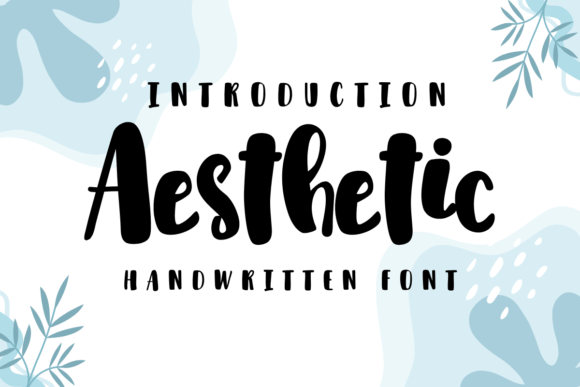
Aesthetic is designed to mimic the natural flow of a pen on paper, yet it retains the structural consistency required for digital rendering. Unlike rigid serif or sans-serif typefaces, Aesthetic features variable stroke widths, irregular baseline alignment, and connected letterforms that suggest movement. These elements create a sense of intimacy and approachability. When you select Aesthetic, you are choosing a voice that feels personal rather than corporate. The distinctiveness lies in its ability to maintain readability even at smaller sizes, a trait often lost in more chaotic script fonts.
The visual weight of Aesthetic allows it to function effectively as both a display typeface for headlines and a body text option for short-form content. Its loops and flourishes are stylized enough to be decorative but restrained enough to avoid visual clutter. This balance makes it particularly suitable for contexts where the message needs to feel handcrafted without sacrificing clarity. Whether used for taking notes in a digital planner or writing a diary entry, the font replicates the tactile experience of analog writing, bridging the gap between technology and tradition.
Comparing Aesthetic with Other Handwritten Styles
When evaluating Aesthetic, it is essential to compare it against other common handwritten categories to understand its specific niche. The landscape of script typography generally falls into three buckets: formal calligraphy, casual cursive, and print-style handwriting. Aesthetic sits comfortably within the casual cursive and print-style hybrid zone.
- Formal Calligraphy: Fonts in this category often feature dramatic swashes and high contrast between thick and thin lines. While elegant, they can be difficult to read in long passages. Aesthetic offers a more relaxed alternative, prioritizing communication over ornamental grandeur.
- Casual Cursive: Many casual scripts prioritize speed and fluidity, sometimes resulting in illegible characters when letters are joined too tightly. Aesthetic improves upon this by ensuring character distinction, making it a safer choice for general audiences who may struggle with dense cursive.
- Print-Style Handwriting: These fonts look like someone wrote block letters quickly. They lack the connection of cursive. Aesthetic differentiates itself by incorporating subtle connections that add rhythm and flow, giving it a more sophisticated appearance than standard print scripts.
This comparison highlights a key tradeoff. If your project requires a highly formal or traditional look, Aesthetic might feel too informal. Conversely, if you need a rugged, graffiti-like aesthetic, Aesthetic may appear too polished. Its strength lies in the middle ground: friendly, professional, and accessible.
Evaluating Readability and Versatility
One of the primary decision factors when selecting a font is readability across different mediums. Aesthetic performs well in environments where the viewer is scanning content quickly, such as social media posts or greeting cards. The open counters (the enclosed spaces within letters) prevent the text from becoming a solid black blob at small sizes. However, for large blocks of text, such as a full-page article or a lengthy contract, Aesthetic may introduce eye strain due to its irregular nature. In these scenarios, pairing it with a neutral sans-serif font for body text is a strategic approach.
Versatility is another strong suit. Because Aesthetic mimics a universal handwriting style rather than a specific historical period, it adapts easily to various themes. It works equally well for a modern tech startup's "about us" page as it does for a vintage-inspired wedding invitation. This adaptability reduces the risk of the design feeling dated, a common issue with trend-driven script fonts.
Ideal Use Cases and Application Scenarios
Understanding where Aesthetic excels is vital for maximizing its impact. The font is particularly effective in scenarios that require a human touch. Below are several realistic applications where Aesthetic proves to be a superior choice.
Personal Documentation and Journaling
For individuals using digital tablets or note-taking apps, Aesthetic transforms the act of typing into something that feels more personal. Using it for diaries, gratitude logs, or daily planners adds an emotional layer to the text. It encourages a slower, more reflective pace of writing, which can enhance the user experience. Compared to standard system fonts like Arial or Helvetica, Aesthetic makes personal records feel like cherished keepsakes rather than data entries.
Greeting Cards and Stationery
In the stationery industry, the perception of effort is paramount. A card written in Aesthetic implies that the sender took time to craft a message personally. This is why it is a staple for birthday cards, thank-you notes, and invitations. The font's warmth conveys sincerity, which is often lost in printed, block-letter messages. When designing physical products like mugs or shirts, Aesthetic adds a boutique quality, suggesting that the item is part of a curated collection rather than mass-produced inventory.
Social Media and Content Marketing
On platforms like Instagram or Pinterest, visual hierarchy is driven by engagement. Aesthetic stands out against the sea of geometric sans-serifs that dominate digital feeds. It draws the eye and invites users to pause and read. Designers often use it for quotes, captions, or overlay text on images. However, caution is advised regarding accessibility. On mobile screens with varying resolutions, ensure that the contrast ratio remains high and the size is sufficient for all users to read comfortably.
Tradeoffs and Limitations to Consider
While Aesthetic offers significant benefits, it is not a universal solution. Recognizing its limitations is just as important as appreciating its strengths. One primary limitation is its suitability for formal or legal documents. In contexts requiring absolute neutrality and authority, such as financial reports or academic papers, Aesthetic may undermine the credibility of the content. The inherent informality of a handwritten style can distract from serious subject matter.
Another consideration is scalability. While Aesthetic is readable at moderate sizes, extreme scaling can reveal the limitations of its vector outlines. Very small sizes might cause the delicate strokes to vanish, while very large sizes could expose the slight irregularities intended to mimic handwriting, potentially looking like errors rather than design choices. Additionally, language support can vary depending on the specific version of the font file. If your project involves multilingual content, verify that Aesthetic includes the necessary character sets before committing to it.
Decision Factors: When to Choose Aesthetic
Deciding whether to use Aesthetic ultimately depends on the goals of your project. Ask yourself if the objective is to build trust through formality or connection through personality. If the latter is true, Aesthetic is likely the right choice. It is ideal when you want to soften the tone of a message, make a brand feel more approachable, or add a creative flair to a standard layout.
Consider the audience. Adults aged 20 to 50 often respond positively to designs that blend nostalgia with modern utility. Aesthetic taps into this sentiment, offering a familiar, comforting visual language. However, if your target demographic values strict minimalism or futuristic aesthetics, a cleaner geometric font might serve better. Always test the font in context. Create a mockup of your banner, shirt, or social post using Aesthetic and view it on the actual device or medium where it will appear. This practical evaluation ensures that the theoretical benefits translate into real-world effectiveness.
In conclusion, Aesthetic is a versatile tool that bridges the gap between digital efficiency and human expression. By understanding its distinct characteristics, comparing it with alternatives, and recognizing its appropriate use cases, you can make an informed decision about its inclusion in your design toolkit. Whether for a personal diary or a public-facing campaign, Aesthetic offers a reliable way to inject warmth and individuality into your work, provided it is applied with intention and awareness of its limitations.