The Elegance of Mondar Mandir: A Versatile Typeface for Modern Design
In the world of typography, the choice of font can dramatically influence the tone, readability, and aesthetic appeal of a project. Among the many typefaces available to designers today, Mondar Mandir stands out as a refined and adaptable option that blends the grace of calligraphy with modern design sensibilities. Whether used in branding, invitations, or professional documents, this font offers a unique balance of sophistication and practicality.
Origins and Aesthetic Characteristics
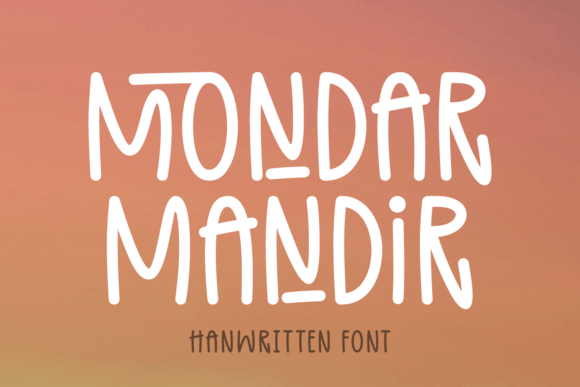
Mondar Mandir draws its inspiration from traditional calligraphic forms, yet it is designed with contemporary usability in mind. Its smooth, flowing lines mimic the natural rhythm of handwriting, giving it a warm and personal feel. Unlike rigid serif or sans-serif fonts, Mondar Mandir captures the fluidity of ink on paper, making it ideal for projects that require a human touch.
Each letterform is carefully crafted to maintain legibility while preserving the elegance of its strokes. The contrast between thick and thin lines adds visual interest without compromising clarity. This balance allows the font to be both expressive and readable, even at smaller sizes.
Practical Applications Across Industries
One of the most compelling features of Mondar Mandir is its versatility. It seamlessly transitions between formal and informal settings, making it a valuable asset across a wide range of design applications.
- Wedding and Event Invitations: The romantic, handwritten quality of Mondar Mandir makes it a popular choice for wedding stationery. It conveys elegance and intimacy, setting the tone for a memorable occasion.
- Branding and Marketing Materials: Businesses aiming to project a refined and personable image often use this font in logos, packaging, and promotional content. It works particularly well for lifestyle, beauty, and boutique brands.
- Editorial and Publishing: From book covers to magazine headers, Mondar Mandir adds a touch of class without overshadowing the content. Its readability ensures it performs well in longer text formats as well.
- Digital Interfaces: With the rise of web fonts, Mondar Mandir has found a place in modern UI design. When used sparingly in headings or call-to-action buttons, it enhances the visual hierarchy of a webpage.
Advantages of Using Mondar Mandir in Design Projects
Designers and typographers appreciate Mondar Mandir not only for its aesthetic appeal but also for its functional strengths. Here are some of the key benefits that make this font a go-to choice:
- Timeless Appeal: Rooted in classic calligraphy, the font avoids fleeting trends and maintains a sense of enduring elegance.
- High Readability: Despite its decorative qualities, Mondar Mandir is designed to remain legible in various formats and sizes.
- Emotional Resonance: Handwritten-style fonts like Mondar Mandir evoke authenticity and warmth, making them ideal for personal or emotionally driven content.
- Scalability: Whether printed on a business card or displayed on a large banner, the font retains its clarity and charm.
Considerations for Effective Use
While Mondar Mandir is a powerful design tool, its effectiveness depends on how it is implemented. Here are some best practices to ensure optimal results:
- Pair Thoughtfully: To maintain visual harmony, pair Mondar Mandir with clean, minimalist fonts like sans-serif typefaces. This contrast enhances readability and prevents visual clutter.
- Use Sparingly: Due to its ornate nature, it's best used for headings, titles, or short blocks of text rather than lengthy paragraphs.
- Check Licensing: Always verify the usage rights, especially when incorporating the font into commercial projects or digital platforms.
A Font for Diverse Audiences and Needs
Mondar Mandir appeals to a broad audience, from individual creators to large enterprises. Here's how different groups can benefit from integrating this font into their work:
- Professionals: Graphic designers and typographers can rely on Mondar Mandir to elevate their client work, especially in sectors like fashion, hospitality, and luxury branding.
- Consumers: Individuals creating personalized gifts, greeting cards, or social media graphics can use this font to add a polished, handmade feel.
- Educators: Teachers and instructional designers can use the font to create visually engaging handouts or presentations that capture attention without overwhelming the reader.
- Business Owners: Small business owners can leverage Mondar Mandir in branding materials to convey professionalism and approachability simultaneously.
Technical Aspects and Accessibility
From a technical standpoint, Mondar Mandir is typically available in standard font formats such as OTF and TTF, making it compatible with most design software. Many font platforms also offer web-optimized versions for digital use, ensuring that websites maintain performance while incorporating this elegant typeface.
Accessibility is another important consideration. While the font’s decorative nature may limit its use in body text, designers can apply it strategically in titles or pull quotes where accessibility standards are less stringent. For full compliance with web accessibility guidelines (WCAG), it's recommended to use Mondar Mandir alongside more accessible fonts for primary content.
Comparing Mondar Mandir with Similar Fonts
While there are many calligraphy-inspired fonts available, Mondar Mandir distinguishes itself through its balanced design and versatility. Compared to fonts like Brush Script or Pacifico, Mondar Mandir offers a cleaner, more structured appearance while retaining the charm of handwritten lettering.
Unlike overly stylized fonts that can become difficult to read, Mondar Mandir maintains a sense of restraint. It strikes a middle ground between artistic flair and functional design, making it a more reliable choice for professional use.
Future Trends and Typography Insights
As design trends continue to evolve, the demand for authentic, human-centered typography is on the rise. Fonts like Mondar Mandir are increasingly favored for their ability to connect emotionally with audiences in a digital-first world.
With the growing popularity of hybrid design styles—where traditional aesthetics meet modern minimalism—Mondar Mandir is well-positioned to remain relevant. Its adaptability across mediums ensures that it will continue to be a favorite among designers who value both form and function.
Conclusion
In a design landscape where typography plays a crucial role in communication, Mondar Mandir offers a compelling blend of elegance, readability, and adaptability. Whether used in print or digital media, this font brings a sense of refinement and personality to any project. By understanding its strengths and best practices for implementation, designers and creators can harness its full potential to enhance visual storytelling and connect more deeply with their audience.