Metalika: A Stylish Typeface for Modern Design Applications
The Origins and Aesthetic Appeal of Metalika
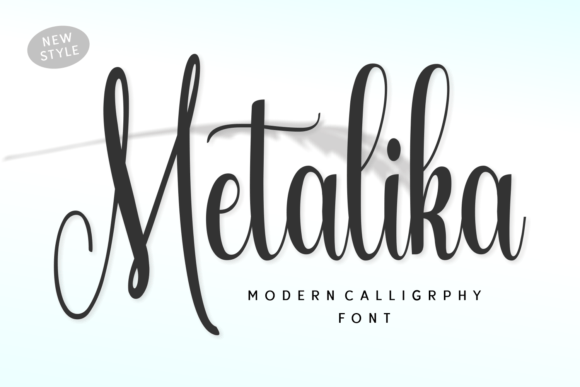
Metalika is a contemporary typeface rooted in the elegance of traditional calligraphy. Its design merges the fluidity of hand-drawn strokes with the precision of digital typography. The result is a font that feels both personal and polished, making it ideal for a wide range of design contexts. Unlike rigid, machine-like sans serifs, Metalika brings warmth and character to text, enhancing readability and emotional resonance.
Each letterform in Metalika is carefully crafted to maintain a natural rhythm. The font’s baseline consistency and subtle stroke contrast ensure legibility across both print and digital formats. Designers often choose Metalika for its ability to balance artistic flair with functional clarity, especially in projects that require a human touch without sacrificing professionalism.
Why Metalika Stands Out Among Script Fonts
Among the many script fonts available today, Metalika distinguishes itself through its versatility and balanced design. It avoids the overly ornate tendencies of some calligraphic fonts, instead opting for a refined simplicity that works well in both minimalist and elaborate layouts.
- Smooth transitions: The font’s ligatures and swashes are designed for seamless integration, allowing for a natural flow between characters.
- Open letterforms: Metalika’s slightly open structure enhances readability, especially at smaller sizes.
- Adaptable weight: Whether used in bold headlines or delicate body text, Metalika maintains its elegance without becoming overwhelming.
Compared to more traditional script fonts like Edwardian or Brush Script, Metalika offers a more modern interpretation that appeals to both classic and contemporary design sensibilities. This adaptability makes it a preferred choice for designers looking to create visually engaging content without compromising on usability.
Practical Applications of Metalika in Design
One of the most compelling aspects of Metalika is its broad applicability. From branding to editorial design, this typeface has proven itself useful across multiple creative fields. Below are some of the most effective use cases where Metalika truly shines:
Wedding and Event Invitations
Metalika’s romantic and elegant appearance makes it a favorite among wedding stationery designers. Its handwritten quality adds a personal touch to invitations, RSVP cards, and thank-you notes. Whether paired with serif body text or used as a standalone font, Metalika elevates the tone of any event-related material.
Brand Identity and Packaging
In the realm of branding, Metalika can help establish a sense of sophistication and approachability. It’s particularly effective for lifestyle, beauty, and artisanal brands looking to communicate craftsmanship and authenticity. When used in logo design or product packaging, Metalika adds a premium feel without appearing overly formal.
Digital and Print Editorial Work
While script fonts are often avoided in long-form editorial content due to readability concerns, Metalika’s clarity allows for creative use in headlines, pull quotes, and section dividers. Designers working on magazines, blogs, or digital newsletters often employ Metalika to add visual interest without disrupting the reading experience.
Business and Professional Communication
Surprisingly, Metalika also works well in select business contexts. When used sparingly—for example, in presentation titles or signature blocks—it can add a touch of personality without undermining professionalism. This makes it a subtle but effective tool for freelancers, consultants, and creative professionals aiming to stand out in client communications.
Technical Considerations for Using Metalika
While Metalika is a visually appealing font, designers should consider several technical and stylistic factors before incorporating it into their projects. Understanding these nuances ensures optimal results and avoids common pitfalls associated with script typography.
Pairing with Complementary Fonts
To maximize readability and design harmony, Metalika should be paired with clean, legible typefaces. Sans serif fonts like Helvetica, Avenir, or Open Sans provide a modern contrast, while serif fonts such as Georgia or Garamond complement its classic appeal. The key is to maintain visual balance—using Metalika for headings or accents while relying on more neutral fonts for body text.
Optimal Use in Layouts
Metalika performs best when given adequate spacing. Designers should avoid tight kerning or cramped layouts, as this can obscure the font’s natural flow. Additionally, using Metalika in larger sizes (typically 18pt and above) enhances its legibility and impact, especially in printed materials or web banners.
File Formats and Licensing
Before downloading or purchasing Metalika, it’s important to verify the licensing terms. Many typefaces come with different usage rights for personal, commercial, or web-based applications. Ensuring compliance with these terms prevents legal issues and supports ethical design practices. Additionally, Metalika is typically available in OpenType (OTF) and TrueType (TTF) formats, with web fonts often provided in WOFF or WOFF2 for optimal performance.
How Metalika Fits Into Current Typography Trends
In recent years, there has been a noticeable shift toward more expressive and personality-driven typography. Metalika aligns well with this trend by offering a blend of elegance and approachability. As designers continue to seek fonts that convey authenticity and warmth, script and handwritten styles like Metalika have gained popularity across various industries.
This trend is especially evident in the rise of boutique branding, personalized marketing, and influencer-driven content. Brands are increasingly using custom or stylized typography to differentiate themselves in crowded markets. Metalika, with its timeless charm and adaptability, fits seamlessly into this evolving design landscape.
Real-World Examples of Metalika in Action
Several notable projects have successfully incorporated Metalika to enhance visual storytelling and brand communication:
- A boutique skincare brand used Metalika for product labels and packaging, creating a luxurious yet approachable aesthetic.
- A digital lifestyle magazine employed Metalika for article headlines and featured quotes, adding visual flair without compromising readability.
- A wedding planner’s website integrated Metalika into call-to-action buttons and event descriptions, reinforcing a sense of elegance and personalization.
These examples demonstrate how Metalika can be adapted to different mediums while maintaining a consistent and appealing visual identity. By choosing the right context and application, designers can harness the full potential of this versatile typeface.
Conclusion: The Enduring Appeal of Metalika
Metalika is more than just a stylish font—it’s a design tool that bridges the gap between tradition and modernity. Its ability to convey elegance, warmth, and professionalism makes it a valuable asset for designers across industries. Whether used in print, digital, or branding applications, Metalika enhances the visual narrative and engages audiences on both emotional and aesthetic levels.
As typographic trends continue to evolve, Metalika remains a reliable choice for those seeking to infuse their work with a touch of sophistication. Its enduring appeal lies not only in its beauty but also in its practicality, making it a go-to option for designers who value both form and function.