Stanley Nathan: Elegance in Typography for Luxury Design Projects
Typography plays a crucial role in design, especially when it comes to conveying a sense of elegance and sophistication. Stanley Nathan, a modern handwritten font from Letterena, is a standout choice for those aiming to infuse luxury into their creative work. Whether you're designing a logo, crafting a book cover, or creating custom packaging, Stanley Nathan offers a refined script style that elevates the visual appeal of any project.
Understanding the Design of Stanley Nathan
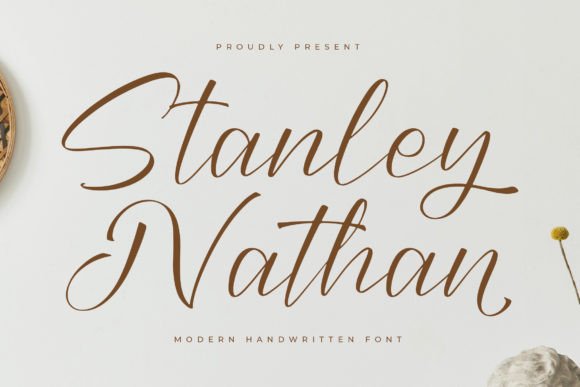
Stanley Nathan is crafted with a balance of modernity and classic script elements. Its flowing strokes and subtle variations in line weight give it a natural, handwritten appearance while maintaining a polished finish. This duality makes it versatile for both digital and print applications.
Each character is intentionally designed to work harmoniously with others, ensuring readability without sacrificing aesthetic value. The font includes ligatures and alternate characters, allowing designers to customize the look and feel of their text for a more authentic, hand-crafted effect.
Key Features of Stanley Nathan
- Luxury Script Aesthetic: Combines elegance with a modern touch.
- Alternate Characters: Offers stylistic flexibility for unique compositions.
- Excellent Readability: Maintains clarity even at smaller sizes.
- Multi-format Support: Typically includes OTF and TTF formats for broad compatibility.
Who Benefits from Using Stanley Nathan?
Designers, branding professionals, and creatives working on high-end visual projects will find Stanley Nathan particularly valuable. Its luxurious appearance makes it ideal for:
- Brand Identity: Creating logos and brand materials that stand out.
- Packaging Design: Enhancing product labels, shopping bags, and gift tags.
- Print and Digital Media: Designing posters, book covers, and social media graphics.
- Personalized Merchandise: Customizing mugs, t-shirts, and home décor items.
Real-World Applications of Stanley Nathan
Consider a boutique coffee brand launching a new line of artisanal blends. Using Stanley Nathan on their packaging adds a touch of sophistication that aligns with the premium nature of the product. Similarly, a wedding planner might choose this font for invitation cards to evoke a sense of timeless elegance.
Photographers and lifestyle bloggers often use Stanley Nathan as a watermark or for quote overlays on Instagram posts. Its clean yet decorative style enhances visual storytelling without overwhelming the image.
Why Stanley Nathan Stands Out Among Script Fonts
In a sea of script fonts, Stanley Nathan distinguishes itself through its balanced design and luxurious appeal. Unlike overly ornate scripts that can be difficult to read, this font strikes a perfect middle ground—visually engaging yet practical.
Its modern aesthetic ensures it doesn’t feel outdated or overly traditional, making it suitable for contemporary branding and design projects. Designers who want a script font that feels both exclusive and accessible will appreciate the versatility that Stanley Nathan offers.
Comparing Stanley Nathan to Other Luxury Script Fonts
When compared to other popular script fonts, Stanley Nathan holds its own in terms of elegance and usability. While some fonts lean too heavily into decorative elements, limiting their practical use, Stanley Nathan remains adaptable across different mediums. It’s also more versatile than highly stylized fonts that may only work in specific contexts.
Designers who have used both Stanley Nathan and similar fonts often note that Stanley Nathan maintains a more natural flow and legibility, especially in longer text blocks or at smaller sizes.
Considerations When Using Stanley Nathan
While Stanley Nathan is a powerful design tool, it's important to use it thoughtfully. Like any script font, overuse or improper application can detract from the intended message. Here are a few tips to maximize its impact:
- Pair with Simpler Fonts: Use a clean sans-serif or serif font for body text to maintain contrast and readability.
- Avoid Overcrowding: Keep surrounding design elements minimal to let the font shine.
- Test Across Mediums: Ensure the font works well in both print and digital formats.
Limitations to Be Aware Of
Despite its many strengths, Stanley Nathan may not be the best choice for every project. For instance, in highly technical or formal documents, a more traditional serif or sans-serif font might be more appropriate. Additionally, while it works well for headings and short text, extended use in body copy can reduce readability.
It's also important to ensure licensing terms allow for the intended use, especially in commercial applications. Always verify that the font can be used in the specific context of your project to avoid any legal issues.
How to Evaluate If Stanley Nathan Is Right for Your Project
Before choosing Stanley Nathan, consider the tone and purpose of your design. Ask yourself:
- Does the font align with the brand’s personality?
- Will it enhance the visual message without distracting from the content?
- Is it technically suitable for the medium it will be used on?
If the answers are “yes,” then Stanley Nathan could be an excellent choice. Previewing the font in your design layout and testing it in different sizes and colors can also help determine its suitability.
Final Thoughts on Stanley Nathan
In the world of typography, finding a font that balances elegance, readability, and versatility is no small feat. Stanley Nathan achieves this balance, making it a valuable asset for designers and creators aiming to deliver luxury aesthetics in their work. Whether used for branding, product design, or personal projects, this modern handwritten font adds a touch of class that resonates with audiences and enhances visual communication.
For those seeking to elevate their designs with a touch of sophistication, Stanley Nathan is worth exploring. Its thoughtful design and wide range of applications make it a standout choice among luxury script fonts.