Enhancing Design Workflows with Holagen: A Versatile Typeface for Creative Professionals
Typography plays a crucial role in shaping the visual identity of any project, whether it's a brand logo, a marketing campaign, or a personal blog. Among the many typefaces available to designers today, Holagen stands out for its elegance, versatility, and customization options. This decorative display font is more than just an aesthetic choice—it’s a functional tool that can be integrated into various stages of a creative workflow to enhance visual communication and design consistency.
What Is Holagen and Where Does It Fit?
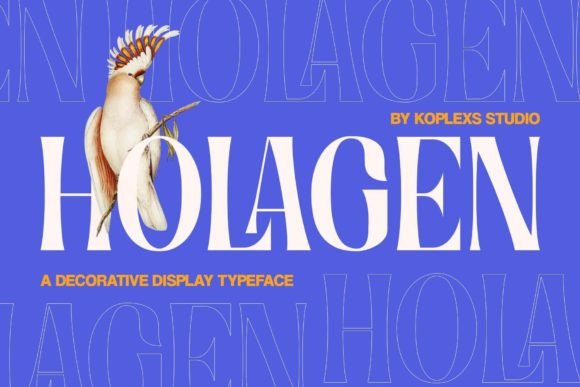
Holagen is a decorative font designed with a focus on detail and adaptability. It features a broad set of alternates and ligatures, which allow designers to tailor the typeface to specific visual themes or brand identities. Its multilingual support makes it a practical option for global projects that require text in multiple languages without compromising design quality.
In a broader creative process, Holagen fits well during the design execution phase, especially when establishing visual hierarchy and brand personality. It also proves useful in post-design phases, such as exporting assets or preparing templates for reuse. Whether you're working on a logo, a social media graphic, or a printed invitation, Holagen can serve as a consistent visual element that elevates the overall aesthetic.
Using Holagen Across the Creative Lifecycle
Design workflows often follow a structured process: planning, execution, review, and delivery. Holagen can be integrated into each of these stages in meaningful ways.
Planning Phase: Choosing the Right Typeface for the Task
During the planning phase, choosing the right typeface is a strategic decision. Holagen’s ornamental style makes it ideal for branding materials, editorial design, and promotional content where visual impact is key. Before diving into the design, it’s helpful to consider the project’s tone and audience. For example, Holagen works well for luxury brands or event invitations where elegance and uniqueness are desired.
It’s also useful to review the font’s character set and language support early on, especially if your project involves international audiences. This ensures compatibility and avoids last-minute adjustments.
Execution Phase: Customization and Visual Consistency
Once the design phase begins, Holagen’s extensive set of alternates and ligatures becomes a powerful asset. Designers can switch between character styles to avoid repetition and create a more organic, handcrafted look. This level of customization is especially valuable in branding and logo design, where unique typographic elements help reinforce brand identity.
For instance, when designing a logo, using Holagen’s stylistic alternates can help differentiate your brand from competitors. Similarly, in social media graphics, alternating glyphs can be used to maintain visual interest across a series of posts while preserving brand consistency.
Review and Delivery: Ensuring Compatibility and Quality
Before finalizing a design, it’s important to test how Holagen renders across different platforms and devices. While it performs well in most design software like Adobe Illustrator, Figma, or Canva, some platforms may not fully support its advanced typographic features such as ligatures and alternates.
To ensure consistency, it’s a good practice to export key design elements as vector graphics or high-resolution images when necessary. This helps maintain typographic integrity, especially when sharing files with clients or collaborators who may not have the font installed.
Integrating Holagen with Other Tools and Resources
Design doesn’t happen in isolation. Holagen works best when used in conjunction with other tools and resources that streamline the creative process. Here are a few ways to integrate it effectively:
- Adobe Creative Suite: Use Holagen in Illustrator for vector-based logo work, or in Photoshop for layered graphic compositions. The OpenType features allow for easy switching between alternate characters directly in the application.
- Figma and Sketch: These tools support OpenType features, making it easy to customize Holagen glyphs without needing to switch applications. This is especially useful for UI/UX designers working on branded interfaces.
- Canva and Web-Based Tools: If you're using platforms like Canva or web-based design tools, ensure that Holagen is either embedded or exported as a graphic to maintain typographic fidelity.
Additionally, pairing Holagen with complementary sans-serif or serif fonts can help balance its ornamental nature. For example, using Holagen for headlines and a clean sans-serif like Helvetica or Roboto for body text creates a visually appealing contrast that enhances readability.
Practical Tips for Using Holagen Effectively
To get the most out of Holagen in your workflow, consider the following practical tips:
- Test Glyph Variations: Explore the full set of alternates and ligatures to find the most visually appealing combinations. This is especially useful for logos or headlines where repetition can be distracting.
- Use Kerning and Tracking Strategically: Holagen’s detailed strokes can sometimes require fine-tuning of spacing to ensure optimal legibility and balance, especially at smaller sizes.
- Export as Vector or High-Resolution PNG: When sharing files or embedding Holagen in presentations or web assets, exporting as vector graphics or high-quality images preserves the font’s integrity.
- Create Reusable Templates: Save commonly used Holagen-based layouts as templates in your design software. This speeds up future projects and maintains consistency across deliverables.
- Check for Multilingual Support: If your project includes text in multiple languages, verify that Holagen supports the necessary character sets to avoid missing glyphs or formatting issues.
Long-Term Use and Workflow Integration
For professionals who regularly work on branding, marketing, or editorial projects, integrating Holagen into long-term workflows can streamline design tasks and enhance visual branding. Storing Holagen in a centralized font library, along with other frequently used typefaces, ensures quick access and consistency across team members.
Moreover, maintaining a style guide that includes Holagen usage examples—such as recommended sizes, color pairings, and alternate character combinations—can help preserve brand integrity over time. This is especially important for agencies, freelancers, and in-house design teams that manage multiple projects simultaneously.
From a planning perspective, it’s also beneficial to assess the font’s licensing terms to ensure it can be used across different platforms and deliverables, including web, print, and mobile applications. Some fonts have restrictions on commercial use or require additional licensing for web embedding, so verifying these details upfront prevents legal issues down the line.
Real-World Applications of Holagen
Holagen’s versatility makes it suitable for a wide range of applications. Here are a few real-world use cases where it can make a significant impact:
- Branding and Logos: Use Holagen to craft a unique brand identity with custom glyphs that reflect the personality of the business.
- Social Media Graphics: Create visually engaging posts for platforms like Instagram or Pinterest using Holagen’s elegant style to draw attention.
- Wedding Invitations and Stationery: Its decorative nature makes it ideal for formal invitations, RSVP cards, and thank-you notes.
- Editorial Design: Incorporate Holagen into magazine covers, book titles, or digital newsletters for a refined typographic presence.
- Product Packaging: Elevate product labels and packaging designs with Holagen’s intricate details, especially for luxury or artisanal brands.
Each of these applications benefits from thoughtful integration into the broader design and production workflow. By considering how Holagen interacts with other design elements and tools, professionals can ensure a smoother, more efficient creative process.
Conclusion
Holagen is more than just a decorative font—it’s a valuable asset in the toolkit of any creative professional. Its combination of elegance, customization, and multilingual support makes it adaptable to a wide range of design tasks. Whether you're working on branding, marketing materials, or editorial projects, integrating Holagen into your workflow can elevate your designs and streamline your creative process.
By understanding how to prepare, implement, and maintain Holagen across different stages of a project, you can ensure consistent, high-quality results that align with your visual goals. With the right approach, this versatile typeface becomes not just a design choice, but a strategic component of your creative workflow.