Choosing the Right Font: Exploring Reward Yourself for Design Projects
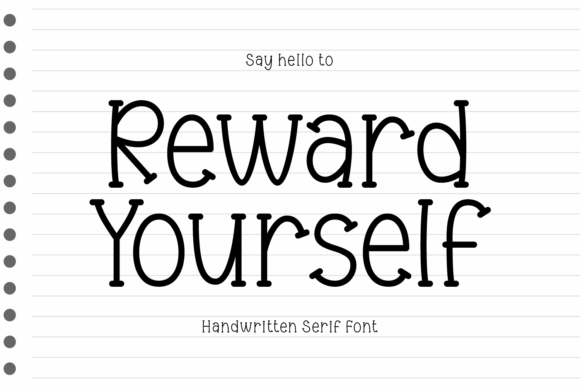
When selecting a font for a design project, typography plays a crucial role in shaping audience perception. One option that has gained attention for its distinct character is Reward Yourself, a handwritten serif font that blends the warmth of script with the structure of traditional serif typefaces. Whether used in editorial design, brand identity, wedding invitations, or product packaging, Reward Yourself offers a unique aesthetic that can elevate visual communication.
What Is Reward Yourself?
Reward Yourself is a custom-designed handwritten serif font that mimics the fluidity and personal touch of handwriting while maintaining the legibility and elegance of serif typography. Its design elements include slight variations in stroke width, subtle serifs, and a flowing rhythm that gives it a nostalgic and timeless appeal. This combination makes it especially suitable for projects that require a humanized, approachable, yet refined typographic presence.
Why Consider Reward Yourself?
Designers and creatives often seek fonts that offer both personality and versatility. Reward Yourself stands out for its ability to convey authenticity and emotional depth. Unlike more rigid or impersonal typefaces, this font brings a sense of intimacy and craftsmanship to the layout. It can be particularly effective in projects aiming to evoke a sense of tradition, elegance, or personal connection.
Its handwritten nature makes it ideal for branding efforts that want to feel more personable, such as boutique packaging, artisanal products, or personalized stationery. Additionally, in editorial design, it can serve as a strong accent font for headlines or pull quotes, helping to break up more formal body text while maintaining visual interest.
Key Benefits of Using Reward Yourself
- Emotional Resonance: The font’s handwritten qualities can evoke a sense of warmth and sincerity, making content feel more personal and relatable.
- Versatility: Despite its unique style, Reward Yourself can be adapted across multiple design contexts, from print to digital media.
- Timeless Aesthetic: Its blend of serif structure and script-like flow gives it a classic appeal that can withstand shifting design trends.
- Readability at Larger Sizes: When used for headings, quotes, or short text blocks, the font maintains clarity and visual impact.
Considerations and Tradeoffs
While Reward Yourself offers many visual benefits, it’s important to evaluate its suitability for specific use cases. As a decorative serif font, it may not be the best choice for long-form body text or applications requiring high legibility at small sizes. In such cases, pairing it with a clean sans-serif or traditional serif font may yield better results.
Another consideration is tone alignment. Because of its nostalgic and elegant character, Reward Yourself may not be the most appropriate choice for projects that aim for a modern, minimalist, or highly technical aesthetic. In branding or editorial contexts, it’s essential to ensure the font supports the overall tone and messaging of the project.
When Reward Yourself Is a Strong Fit
Reward Yourself shines in design applications where emotional engagement and visual storytelling are key. It is particularly effective in the following scenarios:
- Wedding and Event Invitations: Its elegant, personal feel makes it a popular choice for invitations that aim to reflect the warmth and significance of the occasion.
- Brand Identity for Lifestyle and Creative Businesses: Brands in the wellness, fashion, or artisan sectors can benefit from the font’s expressive qualities to communicate authenticity and care.
- Packaging Design: Especially for products that emphasize craftsmanship or personalization, Reward Yourself can enhance the perceived value and emotional appeal of the packaging.
- Editorial Highlights and Quotes: As a display font, it works well for pull quotes or section headers that need to stand out without overwhelming the overall layout.
When to Consider Alternatives
Despite its strengths, there are situations where a different font may be more appropriate. For example, in corporate communications, technical documentation, or user interface design, clarity and neutrality are often more important than stylistic flair. In these cases, more conventional serif or sans-serif fonts like Georgia, Helvetica, or Roboto may offer better functionality and readability.
Additionally, if the goal is to create a bold, contemporary visual identity, designers might explore modern script fonts or minimalist sans-serif alternatives that better reflect a forward-looking brand image.
Practical Insights for Decision-Making
When evaluating Reward Yourself for a project, it's helpful to consider the following factors:
- Target Audience: Does the font align with the preferences and expectations of the intended viewers? Older audiences may appreciate its classic feel, while younger demographics might perceive it as nostalgic or vintage.
- Usage Context: Will the font be used for headlines, logos, or body text? Reward Yourself performs best in limited, impactful applications rather than extended reading.
- Complementary Typography: Consider how well it pairs with other fonts in the design system. A strong hierarchy often benefits from a combination of decorative and neutral typefaces.
- Brand Voice: If the brand personality is playful, sophisticated, or sentimental, this font may reinforce those traits effectively. However, if the tone is more formal or utilitarian, alternative options may be preferable.
Final Thoughts
Reward Yourself is more than just a font—it’s a design element that can influence how audiences emotionally connect with content. Its blend of handwritten charm and serif elegance makes it a versatile tool for designers aiming to create visually engaging and emotionally resonant work. However, like any design choice, it should be made with intention and in alignment with the broader goals of the project.
By carefully considering the context, audience, and overall design strategy, creatives can determine whether Reward Yourself is the right typographic choice—or if another font might better serve their needs. Ultimately, the goal is to use typography not just for aesthetic appeal, but to enhance communication, reinforce brand identity, and create meaningful visual experiences.