Embracing Imperfection: The Artistry of Spoken Chatter in Modern Design
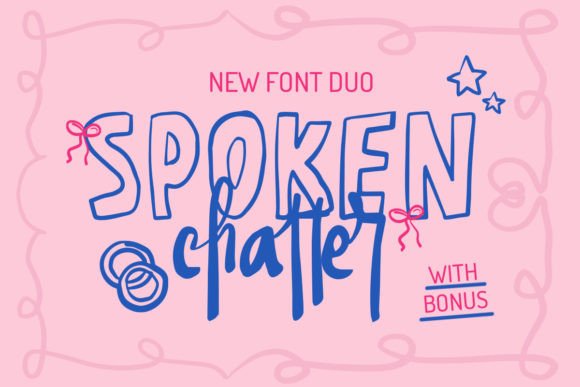
In a digital landscape often dominated by sleek, polished typography, the emergence of handwritten fonts like Spoken Chatter offers a refreshing departure from the norm. This distinctive font duo, with its uneven strokes and expressive character, captures the essence of human touch in design. It’s not just a typeface—it’s a statement. Whether you're crafting a personal blog post, a marketing campaign, or an educational handout, Spoken Chatter brings a sense of warmth and authenticity that resonates with audiences across the board.
The Aesthetic Appeal of Handwritten Typography
Typography plays a crucial role in shaping the visual tone of any design. While traditional serif and sans-serif fonts are often chosen for their clarity and professionalism, handwritten fonts like Spoken Chatter offer something more intimate. Their irregularities—slightly uneven baselines, varied stroke thickness, and organic curves—mirror the natural rhythm of handwriting. This imperfection is precisely what makes them so appealing.
Designers are increasingly turning to such fonts to break away from sterile digital aesthetics. The charm of Spoken Chatter lies in its ability to feel both spontaneous and intentional. It doesn’t shout for attention; rather, it invites the viewer in with a quiet, personal warmth that’s hard to replicate with more structured typefaces.
Why Spoken Chatter Stands Out Among Handwritten Fonts
Not all handwritten fonts are created equal. Many attempt to mimic handwriting but end up feeling artificial or overly stylized. Spoken Chatter, however, strikes a balance between legibility and personality. Its dual-style format—one slightly bolder and more structured, the other looser and more expressive—makes it versatile without sacrificing its artistic integrity.
- Dynamic Contrast: The pairing of two complementary styles allows for visual contrast within a single design piece.
- Warmth and Approachability: Its natural strokes evoke a sense of familiarity and friendliness, making it ideal for personal branding or community-driven content.
- High Readability: Despite its informal appearance, Spoken Chatter remains easy to read, especially in short to medium-length text blocks.
Practical Applications Across Industries
The beauty of Spoken Chatter lies in its adaptability. Here are some real-world applications where this font can shine:
- Branding and Marketing: Small businesses and creatives can use this font to convey authenticity in logos, social media graphics, and product packaging.
- Educational Materials: Teachers and instructional designers can incorporate Spoken Chatter into handouts, presentations, and children’s books to make content feel more engaging and less formal.
- Personal Blogs and Lifestyle Content: Writers and influencers can use this font in headers and pull quotes to add a personal, handwritten touch to their digital content.
- Event Invitations and Greeting Cards: Its charming imperfection makes it a favorite for wedding invites, birthday cards, and other personal correspondence.
Because of its flexible nature, Spoken Chatter can be used effectively across both print and digital platforms. Whether it’s featured in a mobile app interface or a printed zine, it maintains its character without compromising usability.
Integrating Spoken Chatter into Your Design Workflow
Incorporating Spoken Chatter into your design process doesn’t require advanced skills, but it does benefit from thoughtful application. Here are a few tips to help you use it effectively:
- Pair with Simpler Fonts: To maintain readability and visual balance, pair Spoken Chatter with clean sans-serif or serif fonts in body text or secondary elements.
- Use for Emphasis: Rather than using it throughout an entire layout, apply it selectively to headlines, quotes, or call-out boxes to draw attention where it matters most.
- Test Across Mediums: Always preview how the font appears on different devices and in print to ensure it retains its clarity and charm in all contexts.
Many design tools—like Adobe Illustrator, Canva, and Figma—support Spoken Chatter as a downloadable font, making it easy to integrate into your creative toolkit. Once installed, it behaves like any other font, allowing for easy scaling, color changes, and alignment adjustments.
Considering the Limitations
While Spoken Chatter is a powerful design asset, it’s not without its limitations. Like all handwritten fonts, it’s best suited for short bursts of text rather than lengthy paragraphs. Overuse can lead to visual fatigue or reduced readability, especially for audiences with visual impairments.
Additionally, while its informal nature is a strength in many contexts, it may not be appropriate for highly formal or technical materials. Legal documents, academic papers, and corporate reports typically benefit from more structured typography. In such cases, Spoken Chatter might be better reserved for accents or decorative elements rather than primary text.
Looking Ahead: Trends in Handwritten Typography
The popularity of fonts like Spoken Chatter reflects a broader trend in design: a growing appreciation for authenticity, imperfection, and human-centered aesthetics. As digital tools become more advanced, there’s a counter-movement toward organic, tactile design elements that feel less manufactured and more emotionally resonant.
This trend is particularly evident in the rise of analog-inspired digital art, vintage branding, and minimalist yet expressive web design. As designers continue to explore the intersection between technology and tradition, fonts like Spoken Chatter will likely remain a staple in creative workflows.
Final Thoughts
In the world of typography, Spoken Chatter offers a unique blend of artistry and functionality. Its ability to convey warmth, personality, and approachability makes it a valuable asset for a wide range of design applications. Whether you're a seasoned professional or a hobbyist experimenting with new visual styles, this font duo provides a compelling way to infuse your work with a human touch.
As with any design choice, the key lies in understanding when and how to use it effectively. By balancing its expressive qualities with thoughtful layout and typographic hierarchy, you can create designs that are not only visually engaging but also meaningful and memorable.