Donkeys: A Unique Handwritten Font for Creative Design Projects
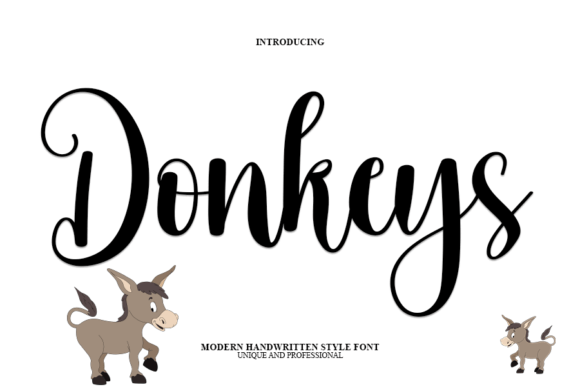
When it comes to typography, the right font can make or break a design. Donkeys stands out as a delicate, handwritten typeface that brings a distinct and artistic flair to a variety of creative applications. Designed with care, this font offers a cool and unique aesthetic that appeals to designers seeking authenticity and character in their work.
What Makes Donkeys Different?
Unlike mass-produced digital fonts, Donkeys captures the nuance and irregularity of real handwriting. Each character is crafted to reflect the subtle variations found in natural penmanship, giving the font a personal and expressive quality. This makes it especially effective for designs that aim to convey warmth, intimacy, or individuality.
The delicate strokes and organic flow of Donkeys set it apart from more rigid or stylized handwritten fonts. It avoids exaggerated flourishes in favor of a clean, legible structure that still retains a sense of hand-drawn charm. This balance allows it to be both distinctive and versatile across different design contexts.
Comparing Donkeys to Similar Fonts
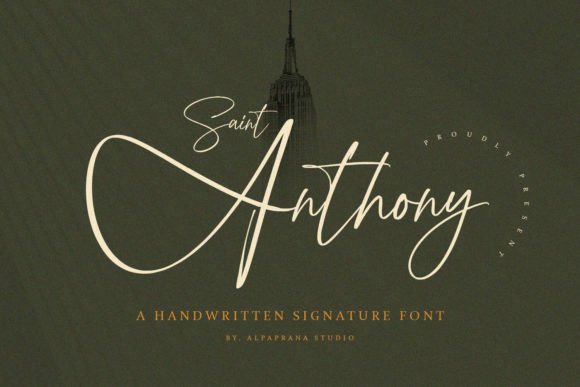
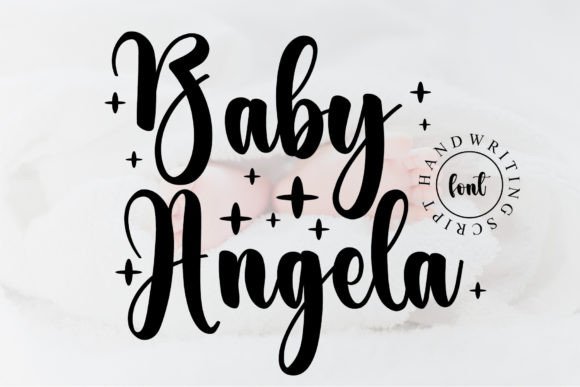
In the world of handwritten fonts, there are many options available, each with its own personality and intended use. Some fonts lean heavily into calligraphic styles with dramatic swashes and thick-thin contrast, while others mimic casual, fast-paced handwriting with looser spacing and more erratic lines.
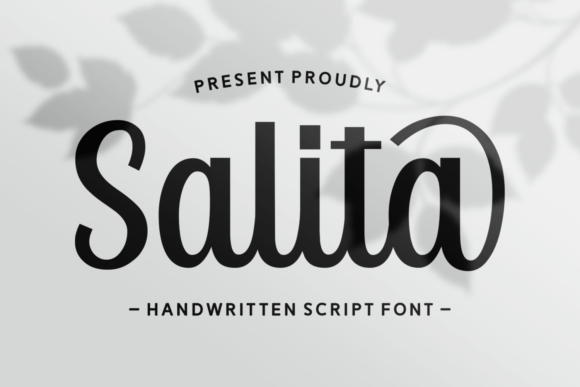
Donkeys falls somewhere in the middle. It doesn’t rely on ornate embellishments or overly loose forms, which can sometimes make a font difficult to read or inappropriate for certain applications. Compared to more stylized alternatives, it offers greater legibility without sacrificing the charm of a handcrafted look.
- Legibility: Maintains clarity even at smaller sizes.
- Style: Balanced between casual and refined.
- Versatility: Works well across print and digital formats.
Use Cases Where Donkeys Excels
Designers often choose Donkeys for projects that benefit from a personal, handcrafted feel without appearing overly informal. It’s particularly well-suited for:
- Invitations: Weddings, baby showers, and event announcements gain a warm, intimate touch.
- Branding: Small businesses or artisanal brands that want to emphasize authenticity and craftsmanship.
- Labels and Packaging: Especially in the food and beverage industry, where a hand-lettered look can enhance product appeal.
- Editorial Design: Titles, pull quotes, and captions in magazines or online content that benefit from a unique typographic voice.
In each of these cases, the font helps establish a tone that feels genuine and approachable, qualities that resonate well with modern audiences seeking more human-centered design.
When Donkeys Might Not Be the Best Fit
While Donkeys offers a lot in terms of style and usability, it’s not a one-size-fits-all solution. Because of its delicate nature, it may not be ideal for:
- Large blocks of text: Its fine lines and spacing can make it harder to read in extended paragraphs.
- High-contrast environments: On busy backgrounds or at very small sizes, the font may lose clarity.
- Formal or technical contexts: Where a more structured or professional appearance is needed, a serif or sans-serif font might be more appropriate.
Designers should also consider how the font aligns with the overall visual identity of a project. If the goal is to convey boldness or modern minimalism, Donkeys may feel out of place.
Practical Design Considerations
When incorporating Donkeys into a design, it’s important to pair it thoughtfully with complementary fonts and visual elements. Using it as a display font for headings or short text elements allows its character to shine without overwhelming the design.
For best results, consider these tips:
- Pair with clean sans-serif fonts: This creates a nice contrast and maintains readability in body text.
- Avoid overuse: Use it selectively to maintain visual impact and prevent design fatigue.
- Test in different contexts: Preview the font at various sizes and on different backgrounds to ensure optimal legibility.
Alternatives to Consider
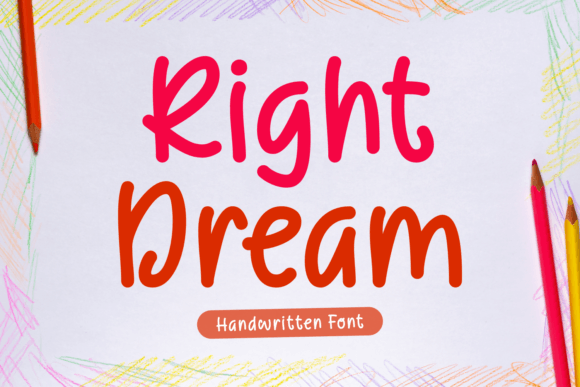
Depending on the design goals, there may be other fonts that serve better. For instance, if a more whimsical or playful tone is desired, a bolder handwritten font with more exaggerated strokes might be preferable. Conversely, if clarity and structure are more important, a minimalist sans-serif could be a better fit.
Designers should also explore how Donkeys compares to other delicate handwritten fonts in terms of x-height, spacing, and overall texture. Sometimes small differences in letterform can significantly impact how a font performs in a given layout.
Making the Right Choice
Selecting the right font is more than just a matter of aesthetics—it’s about matching the tone, purpose, and audience of a design. Donkeys offers a compelling blend of charm and clarity that makes it a strong contender for projects requiring a handwritten touch without sacrificing readability.
However, as with any design decision, it’s worth evaluating how well it fits within the broader context of a project. Taking the time to compare Donkeys with other available options can help ensure that the chosen font supports both the visual and communicative goals of the design.