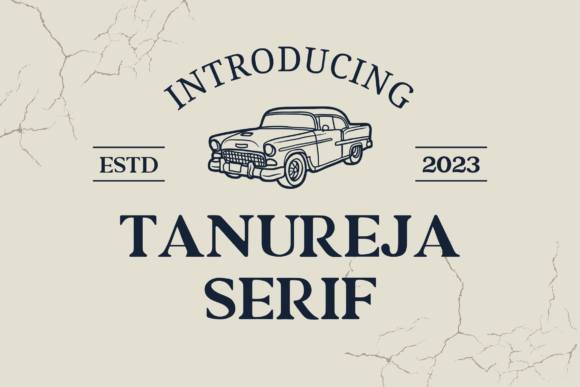
Tanureja: The Modern Serif Redefining Digital and Print Elegance
In the ever-evolving landscape of graphic design, typography remains the silent narrator of visual stories. It dictates how information is consumed, felt, and remembered. Among the latest arrivals that are capturing the attention of designers and brand strategists alike is Tanureja. This modern serif font represents a significant shift in how contemporary refinement meets classic charm. Unlike traditional serifs that can feel heavy or dated, Tanureja introduces sleek lines and balanced proportions that breathe new life into established typographic conventions. Whether you are crafting an upscale packaging design, laying out a high-end editorial spread, or building a sophisticated brand identity, understanding the nuances of this typeface is essential for elevating your creative output.
The Architecture of Grace: Design Principles Behind Tanureja
To truly appreciate Tanureja, one must look beyond its surface aesthetics and examine the architectural decisions made during its creation. At its core, this typeface is built on a foundation of optical balance. In many modern designs, there is a tendency to prioritize geometric perfection over readability. However, Tanureja takes a different approach. Its letterforms are engineered to maintain legibility across various sizes while retaining a distinct personality that exudes grace and style.
The defining characteristic of this font lies in its stroke contrast. While it retains the traditional variation between thick and thin lines found in classic serifs, the transition is smoother and more controlled. This subtle modulation prevents the text from appearing too stark or aggressive, making it particularly suitable for long-form reading materials. The terminals—the ends of the strokes—are carefully crafted to avoid sharp angles, opting instead for soft curves that guide the eye naturally along the line of text. This attention to detail ensures that every letter exudes a sense of calm sophistication, a quality that is increasingly rare in the digital age where boldness often overshadows nuance.
Balancing Proportions for Versatility
One of the most challenging aspects of type design is achieving versatility without sacrificing character. Tanureja succeeds by maintaining consistent x-heights and apertures, which are crucial for readability at small sizes. This makes it an excellent choice for body copy in magazines, books, and even web interfaces where clarity is paramount. Simultaneously, the extended ascenders and descenders provide ample vertical space, allowing the font to stand tall and authoritative when used in headlines. This duality allows designers to use a single font family for both structural hierarchy and narrative flow, streamlining the design process while ensuring visual cohesion.
Applications in Branding and Corporate Identity
For business owners and brand managers, selecting a typeface is never just about aesthetics; it is about communication. A font conveys values, tone, and market positioning before a single word is read. Tanureja has quickly become a go-to selection for brands aiming to project an image of timeless sophistication. Its ability to blend contemporary refinement with classic charm makes it uniquely suited for industries where trust and heritage are key selling points.
Consider the luxury fashion sector. Brands in this space often struggle to find a balance between looking modern enough to stay relevant and classic enough to maintain prestige. Tanureja solves this dilemma. When applied to logos and branding collateral, its sleek lines suggest innovation, while its serif roots anchor the brand in tradition. Similarly, in the financial and legal sectors, where credibility is everything, the balanced proportions of this font communicate stability and precision. It avoids the coldness of sans-serif fonts while offering a more professional appearance than overly decorative scripts.
Furthermore, the adaptability of Tanureja extends to digital environments. As businesses migrate their presence online, they need typefaces that render beautifully on screens of all resolutions. The clean geometry of this font ensures that it remains crisp on mobile devices, tablets, and desktop monitors alike. This cross-platform consistency is vital for maintaining a unified brand voice across touchpoints, from a website's hero section to social media graphics and email newsletters.
Editorial Excellence: Transforming Reading Experiences
The world of publishing has seen a resurgence of interest in serif typefaces, driven by a desire for warmth and authority in written content. Tanureja fits seamlessly into this trend, offering editors and layout artists a tool that enhances the reading experience rather than distracting from it. Its design prioritizes the rhythm of the text, creating a natural flow that keeps readers engaged.
In magazine layouts, where white space and typography work in tandem to create visual interest, this font shines. The generous spacing between characters and the distinct shape of each glyph allow for creative kerning and leading adjustments without compromising legibility. This flexibility enables designers to experiment with asymmetric layouts, overlapping elements, and dynamic grids while keeping the text readable. For example, a feature article in a lifestyle magazine could utilize Tanureja for pull quotes to add a touch of elegance, while the body text maintains a neutral yet inviting presence.
Moreover, the font's performance in print is exceptional. The ink traps and optimized stroke weights ensure that the letters do not blur or fill in when printed on various paper stocks, from glossy coated pages to textured uncoated covers. This reliability is crucial for publishers who require high-quality reproduction standards. Whether it is a coffee table book, an academic journal, or a corporate annual report, Tanureja provides the structural integrity needed to support complex typographic hierarchies.
Case Studies in Visual Storytelling
Observations from recent design projects highlight the transformative power of this typeface. In one instance, a boutique hotel chain rebranded using Tanureja for all signage and marketing materials. The result was an immediate elevation in perceived value; guests reported feeling a stronger sense of exclusivity and comfort upon arrival. The font's graceful curves mirrored the interior design of the property, creating a cohesive sensory experience. Another case involved a tech startup in the wellness space, which used the font to soften its digital interface. By replacing a rigid sans-serif with the organic lines of Tanureja, the company successfully communicated a message of holistic care and human-centric technology.
Upscale Packaging and Product Presentation
In the retail environment, packaging is often the first point of physical contact between a consumer and a product. It serves as a tactile extension of the brand promise. Tanureja has emerged as a powerful asset in the realm of upscale packaging, where typography plays a critical role in conveying quality and desirability.
The sleek lines of the font make it ideal for minimalist packaging designs that rely on negative space and refined details. When embossed, foil-stamped, or debossed onto premium materials like cardstock, leather, or glass, the font's intricate details catch the light in a way that adds depth and dimension. This interplay of light and texture creates a luxurious feel that resonates with discerning consumers. For instance, cosmetic brands often use Tanureja on product labels to suggest purity and efficacy, while artisanal food producers use it to evoke a sense of craft and tradition.
Additionally, the font's versatility allows it to scale effectively from large box displays to tiny ingredient lists. This scalability ensures that the brand message remains consistent regardless of the package size. In an era where sustainability and transparency are increasingly important, the clarity of Tanureja helps communicate complex information—such as sourcing details or usage instructions—in a way that is both accessible and aesthetically pleasing.
Practical Considerations for Implementation
While the aesthetic benefits of Tanureja are clear, successful implementation requires careful consideration of context and pairing. Like any sophisticated tool, it demands respect for its specific characteristics. One key consideration is weight selection. The font offers a range of weights, from light to bold, but each serves a distinct purpose. Lighter weights are best for elegant headers and delicate accents, while medium and bold weights provide the necessary impact for headlines and call-to-action buttons.
Pairing is another critical factor. To maximize the potential of this modern serif, it is often effective to pair it with a complementary sans-serif for subheadings or captions. A clean, geometric sans-serif can provide a nice contrast, highlighting the unique features of Tanureja without competing for attention. Alternatively, for a more monolithic look, using different weights of the same family can create a harmonious hierarchy. Designers should also be mindful of color choices; the fine details of the font may get lost against low-contrast backgrounds or busy patterns. Ensuring sufficient contrast between the text and the background is essential for maintaining readability and preserving the font's intended elegance.
Technical Integration and Accessibility
From a technical standpoint, integrating Tanureja into digital workflows is straightforward, thanks to its robust file formats and broad compatibility with major design software. However, accessibility should always be a priority. While the font is designed for readability, users with visual impairments may still face challenges if the font size is too small or the contrast is insufficient. Designers should adhere to WCAG guidelines, ensuring that text is scalable and that the font's inherent contrast ratios meet accessibility standards. By doing so, creators can ensure that the beauty and sophistication of Tanureja are accessible to everyone, reinforcing the inclusive nature of good design.
The Future of Sophisticated Typography
As we look toward the future of design, the demand for typefaces that bridge the gap between tradition and modernity will only grow. Tanureja stands at the forefront of this movement, offering a solution that satisfies the need for both aesthetic appeal and functional utility. Its success lies in its ability to adapt to diverse contexts while maintaining a coherent identity. Whether used in a bustling urban billboard or a quiet library corner, the font delivers a consistent message of quality and refinement.
For professionals, consumers, and creators alike, the adoption of such thoughtful typography represents a commitment to excellence. It signals a willingness to invest in the details that matter, to prioritize the user experience, and to elevate the ordinary into the extraordinary. As more brands and individuals recognize the power of well-chosen type, fonts like Tanureja will continue to shape the visual language of our time, proving that in the world of design, true sophistication is timeless.