Sweet Lovable: A Decorative Typeface Evaluation
In the realm of digital typography, decorative fonts serve a specific function: they convey mood and theme instantly without requiring extensive imagery. Sweet Lovable is a typeface designed to fulfill this role by integrating shamrocks and clovers directly into its letterforms. This design choice creates an immediate association with luck, nature, and Irish heritage. For designers, event planners, and brand managers, understanding the practical application and limitations of such a specialized font is essential before committing it to a project.
Understanding the Design Intent
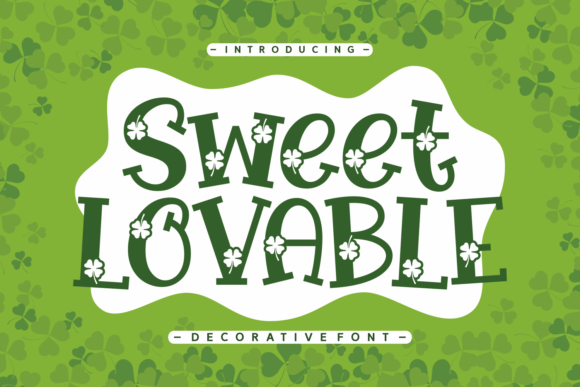
Sweet Lovable is not a standard serif or sans-serif typeface; it is a display font. Its primary characteristic is the incorporation of botanical elements—specifically four-leaf clovers and shamrocks—into the structure of the characters. These elements are not merely added as post-processing effects but are woven into the strokes and terminals of the letters themselves. The result is a whimsical aesthetic that blends playful modernity with traditional symbols of fortune.
The design intent behind Sweet Lovable is to evoke a sense of charm and enchantment. It targets themes related to good fortune, springtime, and Celtic culture. Unlike neutral fonts that act as a blank canvas, this typeface carries a heavy semantic load. When a viewer sees text rendered in this style, the message is immediately contextualized within a framework of celebration, nature, and luck. This makes it a high-impact tool for headlines and short phrases, but it requires careful consideration regarding its usage context.
Key Benefits and Use Cases
For projects where the theme aligns with the font's inherent symbolism, Sweet Lovable offers distinct advantages. Its primary benefit is efficiency in storytelling. By using a font that already contains thematic imagery, designers can reduce the need for additional graphical assets, streamlining the layout process while maintaining visual interest.
- Event Invitations: For St. Patrick's Day parties, garden weddings, or "lucky" themed gatherings, this font serves as an instant invitation hook. It sets the tone before the recipient reads the details.
- Hospitality Branding: Pubs, cafes, and boutique hotels with an Irish or rustic theme can use Sweet Lovable for logos and signage to reinforce their brand identity. It suggests a welcoming, traditional atmosphere.
- Greeting Cards and Gift Packaging: In the gift industry, packaging often needs to communicate sentiment quickly. This typeface adds a tactile, handcrafted feel to product labels and card headers.
- Promotional Materials for Fairs: Local fairs, craft markets, and agricultural shows often celebrate local heritage. Sweet Lovable fits naturally into flyers and posters for these events, bridging the gap between commercial promotion and community tradition.
The font excels in situations where the goal is to create an emotional connection through nostalgia or cultural pride. It transforms standard text into a visual experience, making it particularly effective for home decor products like wall art or throw pillows where the typography itself is the main graphic element.
Tradeoffs and Considerations
While Sweet Lovable is visually striking, it comes with significant tradeoffs that must be weighed against project requirements. The most critical limitation is readability. Because the letterforms are heavily stylized with clover motifs, extended blocks of text become difficult to read. The intricate details can blur together at smaller sizes or on low-resolution screens, causing eye strain for the reader.
Furthermore, the thematic specificity of the font acts as a double-edged sword. While it is perfect for Irish-themed projects, it may feel out of place or confusing in other contexts. Using a font laden with shamrocks for a corporate finance report or a serious medical announcement would undermine the credibility of the content. The whimsical nature of the design clashes with themes requiring authority, minimalism, or strict professionalism.
Another consideration is versatility. Display fonts like Sweet Lovable often lack a comprehensive character set, including limited ligatures, alternate glyphs, or language support beyond basic Latin characters. If a project requires multi-language support or complex typographic formatting, this font may not provide the necessary flexibility.
When to Choose Alternatives
Designers should consider alternative typefaces when the project demands clarity over decoration. If the primary goal is to convey information efficiently rather than to establish a mood, a clean sans-serif or a legible serif is a superior choice. Situations where alternatives are preferable include:
- Long-form Content: Any body copy, paragraphs, or detailed instructions should never be set in Sweet Lovable. The decorative elements will hinder comprehension.
- Non-Thematic Projects: If the project does not explicitly relate to luck, nature, Ireland, or whimsy, the font's imagery will feel forced and distracting.
- Minimalist Designs: Brands or designs that rely on negative space and simplicity will find the density of this font overwhelming.
- Small Scale Applications: On mobile devices or small print runs, the fine details of the clovers may disappear, leaving the text looking muddy or broken.
In these scenarios, a more neutral font paired with separate clover icons or illustrations might achieve the desired thematic effect without sacrificing legibility.
Practical Decision-Making Insights
To determine if Sweet Lovable aligns with your specific goals, apply a simple decision matrix based on your project's core objectives. First, assess the volume of text. If you have more than a few words to display, this font is likely unsuitable. Second, evaluate the audience expectation. Does the target demographic expect a playful, traditional, or festive vibe? If yes, the font supports that expectation. If the audience expects seriousness, the font will create cognitive dissonance.
Additionally, test the font in its intended medium. Print the design at the actual size it will appear. Check how the clover details render on different paper stocks or screen resolutions. Often, what looks charming on a large monitor loses its definition when printed on a business card or viewed on a smartphone. Pairing Sweet Lovable with a highly readable companion font for body text is a best practice that mitigates readability issues while retaining the decorative flair for headlines.
Ultimately, Sweet Lovable is a specialized tool rather than a general-purpose solution. It is a strong fit for branding, invitations, and decor where the theme of luck and nature is central to the message. However, it requires restraint. Used sparingly and strategically, it can add a unique, engaging touch to promotional materials. Used indiscriminately, it risks obscuring the message it was meant to highlight. By understanding its strengths and limitations, creators can decide whether this charming typeface is the right asset for their next project.