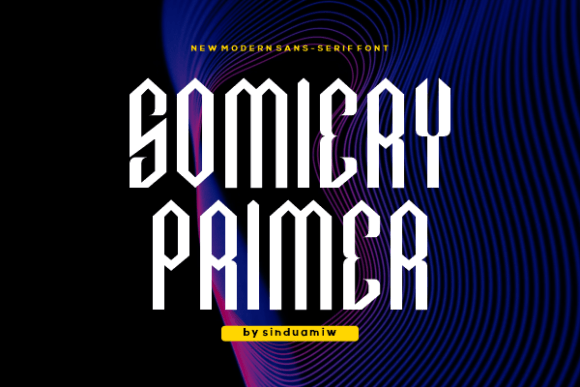
Somiery Primer: A Creative Tool for Modern Typography
Typography shapes how we experience content. Whether you're designing a website, crafting a logo, or laying out a brochure, the right typeface sets the tone. Somiery Primer offers a fresh approach to working with sans-serif fonts, helping creators explore, understand, and apply type with clarity and purpose.
At its core, Somiery Primer is a guide and framework for engaging with sans-serif fonts. These typefaces, known for their clean lines and modern feel, are ideal for digital environments, signage, and minimalist design. But choosing the right one—and using it effectively—requires more than just a quick glance at a font menu. Somiery Primer gives you the tools to make informed, creative decisions.
Why Sans-Serif Fonts Matter
Sans-serif fonts remove the small strokes—called serifs—at the ends of characters. This absence creates a streamlined look that reads well across screens and print. They’re especially effective at smaller sizes, making them a go-to for mobile design, UI/UX work, and editorial layouts.
Some of the most widely used fonts—like Helvetica, Arial, and Roboto—are sans-serif. Their versatility makes them suitable for everything from corporate branding to personal blogs. But with so many options available, how do you choose the right one for your project?
That’s where Somiery Primer comes in. It’s not just about listing fonts—it’s about understanding their personality, function, and impact.
How Somiery Primer Works
Somiery Primer breaks down the world of sans-serif typography into digestible, actionable insights. It helps you explore typefaces by category, such as geometric, humanist, or grotesque. Each classification carries its own visual language and emotional tone.
- Geometric fonts like Futura feel modern and structured.
- Humanist fonts like Gill Sans or Calibri offer a more organic, readable quality.
- Grotesque styles like Helvetica or Franklin Gothic are classic, neutral, and widely used.
By learning to identify these traits, you can match a font to your message more effectively. Somiery Primer also includes visual comparisons, usage tips, and pairing suggestions to help you build cohesive typographic systems.
Creative Applications of Somiery Primer
Whether you're a designer, marketer, educator, or content creator, Somiery Primer opens up new creative possibilities. Here are a few ways to put it into practice:
1. Branding and Identity Design
Typography is a key component of brand identity. A tech startup might choose a sleek geometric sans-serif to communicate innovation, while a wellness brand may lean into a softer, more humanist style.
Use Somiery Primer to explore font families that align with your brand values. Look for weights and variations (bold, light, condensed) that give you flexibility across media.
2. Web and UI Design
On the web, readability and performance matter. Sans-serif fonts tend to render clearly on screens, especially at smaller sizes. When designing for apps or websites, use Somiery Primer to evaluate which fonts are web-safe or have optimized web versions.
For example, fonts like Open Sans or Lato are popular for their clarity and cross-platform compatibility. Somiery Primer can help you compare their legibility in different contexts—like body text versus headings.
3. Print and Editorial Work
Even in print, sans-serif fonts hold their own. They bring a clean, contemporary edge to magazine layouts, posters, and book covers. Somiery Primer can help you select a font that maintains readability in long-form content or stands out in a bold headline.
Try using a sans-serif for captions or sidebars to create visual contrast with a serif-based main text. This technique adds modernity without sacrificing readability.
4. Educational and Instructional Materials
Educators and course creators can use Somiery Primer to enhance learning materials. Sans-serif fonts are often easier to read on digital screens, which is especially important for online learning platforms.
Use the Primer to find fonts that are clear and accessible. Pair a simple sans-serif with icons or diagrams to guide learners through complex material without visual clutter.
How to Use Somiery Primer Effectively
Like any creative tool, Somiery Primer is most powerful when used intentionally. Here are a few strategies to make the most of it:
- Start with purpose: Know your audience and goal before selecting a font. A playful script might not be the best choice for a legal document.
- Test in context: Preview fonts in real-world applications. How do they look on mobile? In print? At different sizes?
- Limit your palette: Stick to two or three typefaces per project to maintain visual harmony.
- Consider spacing: Kerning, leading, and tracking can dramatically affect how a font reads. Somiery Primer often includes spacing guidelines for optimal display.
- Think about contrast: Pair fonts that complement each other rather than compete. A bold sans-serif can work well with a lighter serif or another sans-serif in a different weight.
Real-World Examples and Recommendations
Here are a few practical examples of how creators are using Somiery Primer in their work:
- A freelance blogger used the Primer to choose a clean, screen-friendly font for her travel website. She paired it with a slightly bolder version for headings, improving readability and engagement.
- A startup founder used Somiery Primer to guide his team’s brand font selection. By understanding the emotional tone of different sans-serif styles, they chose a typeface that felt both professional and approachable.
- An educator used the Primer to select a font for digital course materials. She prioritized legibility and found a sans-serif that reduced eye strain for students reading on tablets.
These examples show how Somiery Primer can support real creative and professional goals—without getting lost in theory or abstract design principles.
Conclusion: Typography as a Creative Tool
Somiery Primer isn’t just about fonts—it’s about empowering creators to make thoughtful, informed choices. Whether you're designing a logo, building a website, or writing a blog post, typography plays a silent but powerful role in how your message is received.
By understanding the nuances of sans-serif fonts and using tools like Somiery Primer, you can elevate your work with clarity, consistency, and creativity. The result? Designs that don’t just look good—but communicate effectively, resonate with audiences, and stand the test of time.