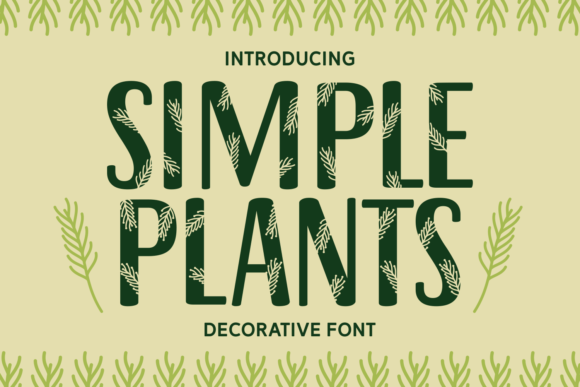
Simple Plants: A Strategic Typography Choice for Natural Aesthetics
Typography plays a pivotal role in shaping how audiences perceive a message. When executed thoughtfully, it can evoke emotion, reinforce brand identity, and enhance visual storytelling. Simple Plants emerges as a compelling option for designers and communicators aiming to infuse their work with organic elegance. This decorative font, distinguished by its subtle leaf details embedded within each character, bridges the gap between classic design and natural charm. Unlike standard sans-serif or serif fonts, Simple Plants offers a thematic depth that aligns well with projects seeking a connection to nature, sustainability, or a whimsical tone.
Understanding the Strategic Value of Simple Plants
Choosing a typeface isn’t just about legibility or aesthetics—it's about aligning visual language with strategic intent. The Simple Plants font is more than a stylistic flourish; it's a deliberate design decision that communicates intent. For brands emphasizing eco-friendliness, organic ingredients, or outdoor experiences, this font can serve as a visual shorthand for those values. Its leaf-adorned characters subtly reinforce the idea of growth, renewal, and harmony with nature—concepts that resonate deeply with modern audiences seeking authenticity and purpose.
From a practical standpoint, Simple Plants works best when used in contexts where visual appeal and thematic relevance are equally important. Whether in logo design, packaging, or marketing collateral, the font can help establish a cohesive narrative that supports broader branding goals. However, its decorative nature means it’s not suited for every application. Strategic use requires understanding its strengths and limitations to ensure it enhances rather than detracts from the intended message.
When and Where to Use Simple Plants
- Branding and Packaging: Eco-conscious brands, botanical shops, and wellness companies can leverage Simple Plants to reinforce their natural positioning. It works especially well in logos, product labels, and promotional materials where a soft, organic feel is desired.
- Print and Digital Media: Magazines, blogs, and educational materials focused on gardening, sustainability, or lifestyle topics can benefit from the font’s thematic consistency. It adds visual interest without overwhelming the reader, provided it’s used in short bursts.
- Event Design: Wedding invitations, workshop flyers, and seasonal promotions often call for a touch of elegance and warmth—qualities that Simple Plants delivers naturally.
Planning for Effective Implementation
Before incorporating Simple Plants into a design project, it’s essential to consider the broader communication strategy. Typography should never exist in isolation—it must support the brand voice, audience expectations, and overall design system. Start by asking: does this font enhance the message or distract from it? If the goal is to convey professionalism and minimalism, Simple Plants may not be the best fit. However, if the objective is to create a warm, inviting, and nature-inspired tone, it can be a powerful asset.
Another key consideration is readability. While decorative fonts offer visual appeal, they often sacrifice legibility, especially at smaller sizes. To maintain clarity, use Simple Plants primarily for headlines, titles, or accent text rather than long-form content. Pairing it with a clean, neutral font like a sans-serif ensures a balanced hierarchy that guides the reader effectively.
Strategic Typography: Supporting Long-Term Branding
Typography is a long-term investment in brand identity. Fonts become part of a company’s visual lexicon, shaping how audiences recognize and remember it over time. Simple Plants can serve as a memorable differentiator in a saturated market, especially when used consistently and intentionally. However, consistency doesn’t mean repetition—it means applying the font in ways that reinforce brand values without overuse.
For example, a sustainable home goods brand might use Simple Plants in product packaging and seasonal campaigns to evoke a sense of natural craftsmanship. Over time, this visual cue becomes associated with the brand’s ethos, strengthening recognition and emotional connection. The key is to ensure that typographic choices align with broader brand strategy, rather than being driven solely by aesthetics.
Common Pitfalls and How to Avoid Them
One of the most common mistakes when using decorative fonts like Simple Plants is overuse. While the font’s unique character details make it visually engaging, they can also make it overwhelming if applied too broadly. Designers may be tempted to use it for body text, navigation menus, or data-heavy visuals—settings where clarity and readability are essential. In such cases, the font’s decorative elements can hinder comprehension rather than enhance it.
Another risk lies in misalignment with brand positioning. If a brand’s messaging is modern, high-tech, or formal, Simple Plants may send conflicting signals. Instead of enhancing the message, it could dilute credibility or confuse the audience. Strategic typography requires a balance between creativity and coherence—using Simple Plants effectively means understanding when it supports the message and when it detracts from it.
Decision-Making Guidance for Designers and Marketers
- Define the objective: Is the goal to create a whimsical, organic feel or to maintain a sleek, minimalist aesthetic? The answer will determine whether Simple Plants is appropriate.
- Consider the context: Will the font be used in print, digital, or both? Assess legibility across different mediums and screen sizes to ensure it remains effective.
- Test for readability: Use sample text in various applications to see how well the font communicates the intended message without causing visual fatigue.
- Pair with complementary fonts: Combine Simple Plants with a clean, legible font to create visual hierarchy and balance.
- Evaluate brand alignment: Ensure the font supports the brand’s tone and values rather than contradicting them.
Conclusion: Typography as a Strategic Tool
Typography is more than a design element—it’s a strategic communication tool. Simple Plants offers a unique opportunity to infuse projects with natural beauty while reinforcing thematic messaging. When used intentionally, it can elevate branding, enhance visual storytelling, and create a lasting impression. However, like any design choice, it requires thoughtful planning and alignment with broader goals. By understanding its strengths, limitations, and appropriate applications, designers and marketers can harness the full potential of Simple Plants to create meaningful, impactful work.