Butterfly Wings: An Elegant Script Font for Diverse Creative and Business Applications
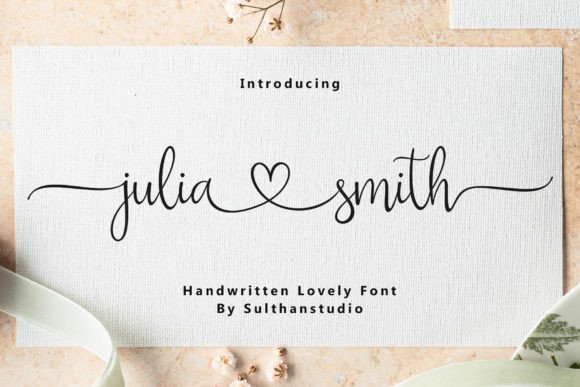
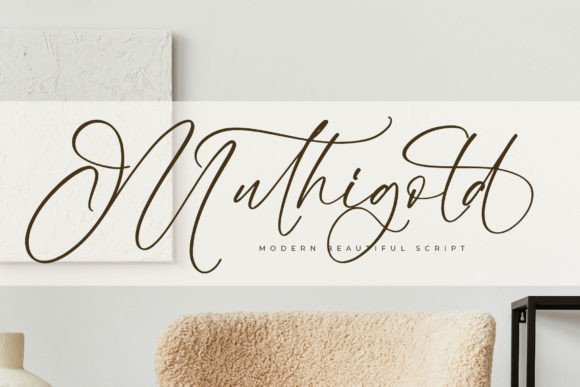
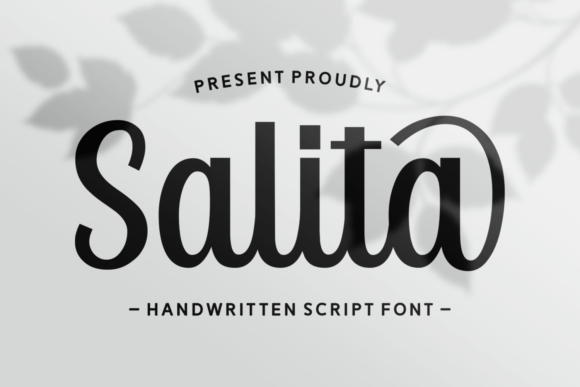
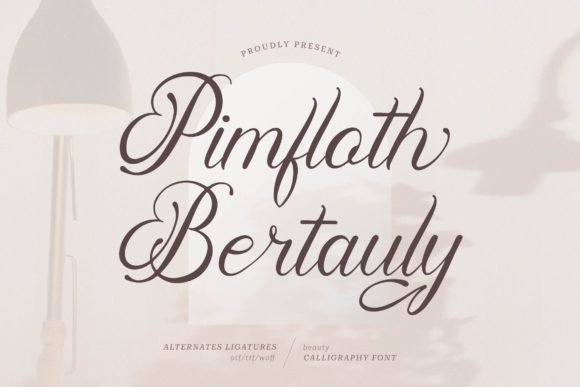
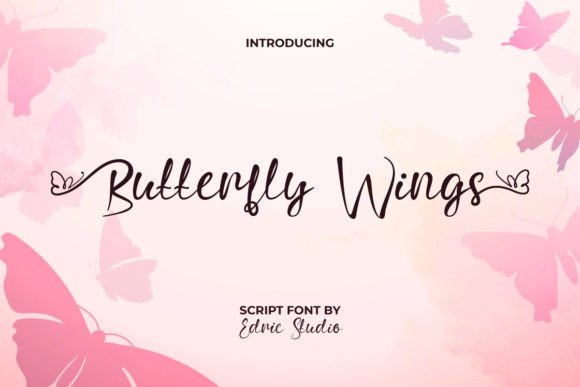
When it comes to visual communication, typography plays a critical role in shaping perception and conveying tone. Butterfly Wings is an elegant script font that offers a refined aesthetic with its light, thin strokes and high readability. Designed to add a touch of sophistication, this font is ideal for professionals across a variety of industries including boutique owners, interior designers, marketers, and content creators. Whether used in branding, packaging, or digital media, Butterfly Wings helps establish a unique visual identity that resonates with target audiences.
Understanding the Role of Butterfly Wings in Design Workflows
Butterfly Wings fits seamlessly into the broader design process, especially during the visual identity and layout stages. Designers often begin with concept sketches or mood boards, then move into digital mockups where typography becomes a central element. At this point, selecting the right font—like Butterfly Wings—can elevate a project from generic to memorable. Its elegant script style makes it particularly effective in contexts where a sense of grace and individuality is desired.
Before launching into full-scale production, it’s wise to test how Butterfly Wings interacts with other design components such as color schemes, imagery, and layout structures. This ensures that the font complements the overall aesthetic rather than competes with it. For example, in packaging design for a natural skincare brand, pairing Butterfly Wings with soft pastel tones and organic textures can reinforce a message of purity and care.
Integrating Butterfly Wings Across Different Platforms and Tools
One of the key advantages of Butterfly Wings is its compatibility with major design software and platforms. Whether working in Adobe Photoshop, Illustrator, Canva, or Figma, this font integrates smoothly into existing workflows. Designers can easily apply it to logos, social media graphics, print materials, and even web headers when used via web-safe font embedding services.
- Adobe Creative Suite: Use Butterfly Wings in headline text layers for editorial layouts or branding mockups.
- Canva: Apply it to greeting cards, invitations, and boutique-style advertisements for a personalized touch.
- Web Design: Implement via Google Fonts or Adobe Fonts for elegant headers in landing pages or portfolio sites.
When integrating Butterfly Wings into a multi-platform campaign, it’s important to maintain consistency across all materials. This includes ensuring that font sizes, weights, and spacing remain uniform to preserve brand integrity. Designers should also test legibility across devices, especially when used in digital contexts where screen resolution and viewing distance can affect appearance.
Workflow Examples: How Butterfly Wings Enhances Real-World Projects
Consider a small business owner launching a new line of artisanal candles. In the early planning phase, they may begin by defining the brand personality—likely elegant, calming, and natural. During the branding stage, a designer could propose Butterfly Wings as the primary font for product labels and packaging, thanks to its graceful appearance and readability at smaller sizes.
As the project moves into marketing materials, the same font might be used in Instagram posts, email newsletters, and event flyers to maintain visual continuity. The business owner could even incorporate Butterfly Wings into printed thank-you cards or packaging inserts to reinforce brand recognition. In this scenario, the font supports a cohesive brand experience that aligns with the product’s identity and appeals to the intended audience.
Practical Tips for Using Butterfly Wings Effectively
To get the most out of Butterfly Wings, consider the following best practices:
- Use Sparingly: Because of its stylized appearance, Butterfly Wings works best as a headline or accent font rather than body text.
- Pair Thoughtfully: Combine it with clean sans-serif fonts like Helvetica or Roboto for contrast and balance in multi-font layouts.
- Test in Context: Always preview the font in its intended application—whether printed or digital—to ensure legibility and visual harmony.
- Maintain Spacing: Adjust tracking and kerning to prevent letters from appearing too crowded, especially in smaller sizes.
These small adjustments can make a significant difference in how the font is perceived and how effectively it communicates the desired message.
Ensuring Long-Term Usability and Brand Consistency
For businesses and creatives who plan to use Butterfly Wings over an extended period, it’s important to document font usage guidelines. This includes specifying preferred font sizes, colors, and application contexts. Creating a brand style guide that includes Butterfly Wings ensures that all team members or external collaborators use the font consistently across marketing, packaging, and digital assets.
Additionally, licensing considerations should not be overlooked. Always verify that the font is properly licensed for both personal and commercial use, depending on the project scope. This prevents legal issues and ensures that the font can be used confidently across all platforms and deliverables.
Conclusion: Making Butterfly Wings a Valuable Part of Your Creative Toolkit
Incorporating Butterfly Wings into your design and branding process can enhance the visual appeal of your work while reinforcing a message of elegance and refinement. Whether you're a graphic designer, entrepreneur, or content creator, understanding how to integrate this font into your workflow—alongside other tools and resources—can streamline your creative process and improve the quality of your output.
By planning ahead, testing thoroughly, and applying the font with intention, you can ensure that Butterfly Wings contributes meaningfully to your projects. Its versatility and readability make it a strong choice for a wide range of applications, and when used thoughtfully, it can become a signature element of your brand’s visual language.